

The digital marketing market is undergoing a significant transformation. The omnichannel model , once considered revolutionary, is beginning to show its limitations in the face of new consumer demands and emerging technological possibilities.
The omnisystem strategy emerges as a natural evolution, proposing a deeper and more systemic integration between all customer contact channels, aiming to improve the user experience.
Recent data indicates that companies that adopt integrated marketing approaches experience an average increase of 30% in customer retention and 25% in revenue.
Main points
- The transition from omnichannel to omnisystem represents a paradigm shift.
- Companies that adopt omnisystem present better results.
- Channel integration improves customer experience.
- The omnisystem strategy requires a holistic vision.
- Implementing omnisystem can increase customer retention and revenue.
The Evolution of Digital Marketing
In recent years, digital marketing has undergone a profound transformation, driven by the need for channel integration . This evolution has been marked by technological advancements and changes in consumer behavior.
From Traditional to Digital Marketing
The transition from traditional to digital marketing has been characterized by a significant shift in marketing strategies . With the rise of digital channels, companies have needed to adapt their approaches to meet new consumer demands. Today, 73% of consumers use multiple channels during their purchasing journey , making the integration between these channels a key factor in conversion and customer loyalty.
The Importance of Channel Integration
Channel integration has emerged as a critical component for the success of contemporary marketing strategies. It allows for a cohesive and consistent customer experience , regardless of the touchpoint. Companies with a high level of channel integration report an average increase of 23% in operational efficiency and a 15% reduction in customer acquisition costs.
| Benefits of Channel Integration | Social Impact |
|---|---|
| Cohesive Customer Experience | Improved Loyalty |
| Operational efficiency | Increase of 23% |
| Customer Acquisition Costs | 15% reduction |
To learn more about how channel integration can boost your marketing strategies, visit our article on Omnichannel 2.0.
Understanding Omnichannel
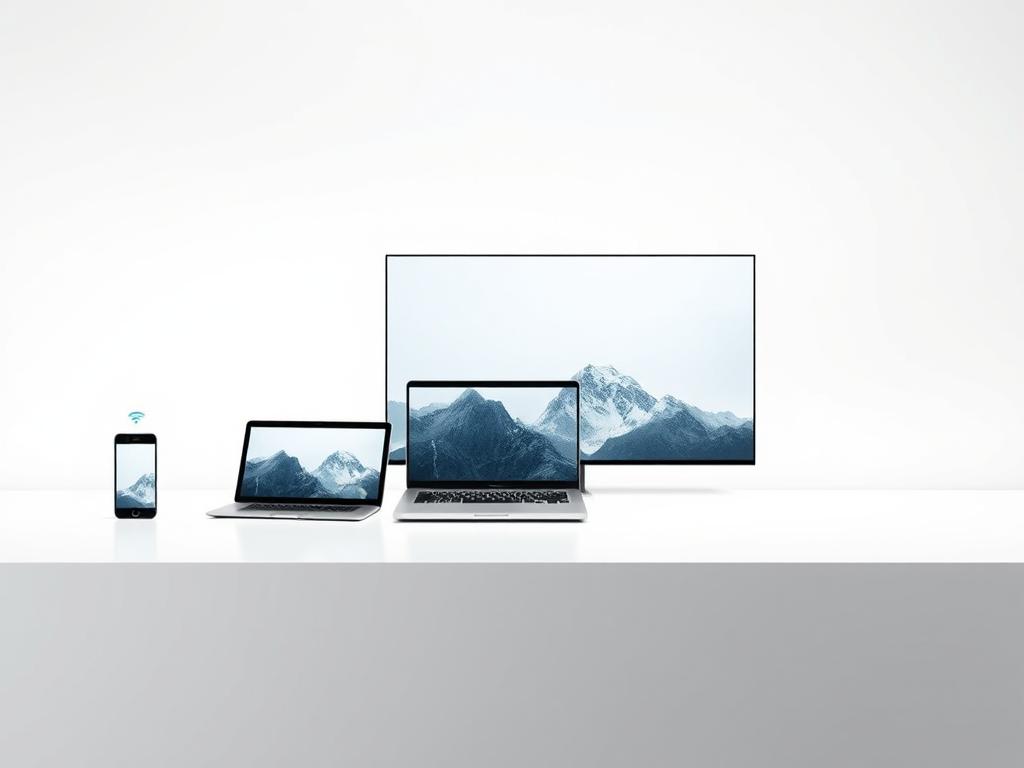
Understanding the omnichannel concept is crucial for companies looking to offer an integrated and effective customer experience. In an increasingly competitive market, understanding how to implement an omnichannel strategy can be the key to success.
What is Omnichannel Strategy?
An omnichannel strategy aims to provide a cohesive and integrated customer experience, regardless of the channel used. This involves integrating all touchpoints, ensuring that the customer’s interaction with the brand is fluid and continuous.
Implementing an effective omnichannel strategy requires a deep understanding of customer needs and expectations. 71% of consumers expect to be able to access their interaction history regardless of the channel used , highlighting the importance of an integrated approach.
Differences Between Multichannel and Omnichannel
Although the terms multichannel and omnichannel are often used interchangeably, there are significant differences between them. The main difference lies in the level of integration and the experience provided to the customer.
| Feature | Multichannel | Omnichannel |
|---|---|---|
| Channel Integration | Channels operate independently | Integrated channels for a cohesive experience |
| Customer Experience | Fragmented, with information silos | Fluid and continuous, with access to interaction history |
| Strategy | Focus on maximizing the individual performance of each channel | Focus on the complete customer journey |
By understanding these differences , companies can choose the strategy best suited to their needs and objectives, ensuring a better customer experience across the various available channels.
Limitations of the Omnichannel Model
Despite its popularity, the omnichannel model faces several limitations that affect its effectiveness. Integrating different platforms and systems, such as CRM, Marketing Automation and e-commerce, can be complex and require significant investments in technology.
Implementation Challenges
Implementing an omnichannel strategy can be challenging due to the need to synchronize data in real time across different channels and systems. 78% of companies report difficulties with this synchronization , which compromises the unified view needed to deliver a personalized experience.
Total Integration Problems
The fragmentation of customer data across multiple platforms results in inconsistencies in communication and service. Only 8% of companies manage to maintain complete consistency in their communication and offerings across all channels , highlighting the practical limitations of the traditional omnichannel model.
| Challenges | Social Impact | Statistic |
|---|---|---|
| Channel Integration | Difficulty synchronizing data | 78% of companies report difficulties |
| Data Fragmentation | Inconsistencies in communication | Only 8% maintain total consistency |
| Operational Complexity: | Inventory issues and broken promises | Directly affects customer satisfaction |
To learn more about overcoming these limitations, you can explore omnichannel strategies for services . The absence of universal technological standards for integration between systems from different vendors creates technological dependencies and significantly increases the maintenance costs of omnichannel infrastructure.
The Concept of Omnisystem in Modern Marketing
In today’s marketing landscape, the omni-system concept is emerging as an innovative strategy that redefines the customer experience. This approach represents a significant evolution from the traditional omnichannel model, offering deeper and more dynamic integration between the different points of contact with the consumer.
Definition and Fundamental Principles
Omnisystem is defined as a strategy that eliminates the artificial distinction between channels, treating all touchpoints as part of an integrated system. This allows for dynamic adaptation to customer needs, providing a more cohesive and personalized experience.
The core principles of omnisystem include full system integration, centralization of data, and the ability to process information in real time. This approach enables brands to deliver rich contextual experiences while increasing accuracy in anticipating customer needs.
| Features | Omnichannel | Omnisystem |
|---|---|---|
| Channel Approach | Separate channels with integration | Unique and integrated system |
| Customer Experience | Cross-channel consistency | Fluid and personalized experience |
| Adaptation to Needs | Limited by channel structure | Dynamic real-time adaptation |
How Omnisystem Beats Omnichannel
Omnisystem fundamentally surpasses omnichannel by redefining the very notion of channel, allowing the customer experience to flow naturally between physical and digital dimensions without noticeable seams. Market data indicates that companies with an omnisystem approach can reduce the time needed to implement new customer touchpoints by 60%.
- The omnisystem’s ability to process and act on data in real time enables advanced contextual personalization.
- The omnisystem architecture facilitates the incorporation of new technologies and emerging channels without the need for complete redesign.
According to experts, “The adoption of the omnisystem represents a qualitative leap in the way companies interact with customers, providing a more integrated and personalized experience.”
Pillars of the Omnisystem
To build a robust omnisystem, it is essential to understand its fundamental pillars. These pillars are crucial to ensuring that the marketing strategy is effective and integrated.
Total Systemic Integration
Full system integration is one of the essential pillars of omnisystem technology. This involves connecting all systems and channels to ensure seamless and efficient operation. By integrating all touchpoints , companies can offer a uniform and personalized customer experience . Full integration eliminates information silos, allowing for a holistic view of customer behavior and needs.
Implementing a complete systems integration can be complex, but the benefits include greater operational efficiency and better decision-making based on accurate data and information .
Data Centralization and Intelligence
Centralizing data and intelligence is another fundamental pillar of the omnisystem. This involves creating a cognitive core that processes information from all touchpoints and systems to generate actionable insights in real time. Market statistics indicate that organizations with centralized data are able to identify 78% more cross-selling and up-selling opportunities, as well as reduce customer problem resolution time by 65%.
| Benefits | Description | Social Impact |
|---|---|---|
| Systemic Integration | Connection of all systems and channels | Seamless customer experience |
| Data Centralization | Creating a cognitive core for insights | Increased cross-selling and up-selling opportunities |
| Intelligence | Real-time information processing | Reduced problem resolution time |
For more information on omnichannel system integration, visit our article at https://doisz.com/blog/integracao-de-sistemas-omnichannel/.
Technologies that Drive the Omnisystem
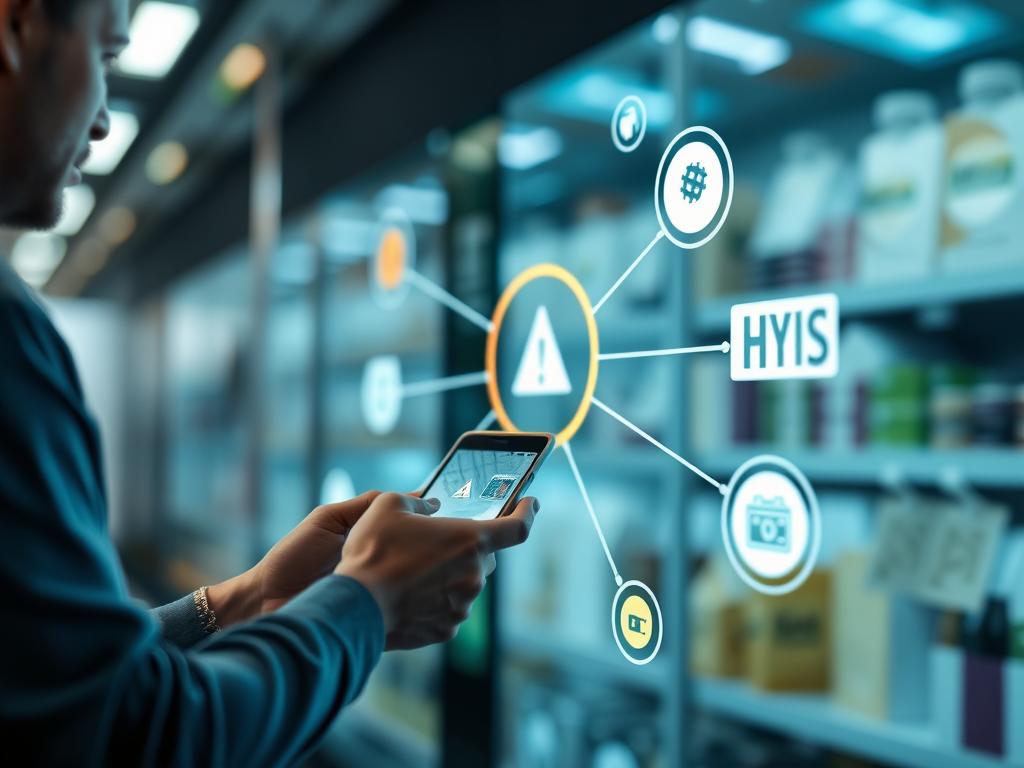
To achieve a true omnisystem, companies need to focus on technologies that facilitate the complete integration of systems and channels. This involves adopting advanced solutions that enable fluid and efficient communication between different platforms.
Artificial Intelligence and Machine Learning
Artificial Intelligence (AI) and Machine Learning (ML) play a crucial role in personalizing the customer experience and optimizing internal processes. These technologies allow systems to learn from data and continuously improve.
APIs and Microservices
APIs and microservices form the technical backbone of the omnisystem, enabling flexible and scalable integration between heterogeneous systems. Market statistics indicate that organizations adopting microservices architectures are able to launch new features significantly faster and with fewer failures.
- Open and well-documented APIs make it easy to create expanded ecosystems.
- The distributed nature of this architecture supports real-time processing.
- Each component of the omnisystem can evolve independently.
To learn more about how to implement these technologies, visit our article on conversational marketing , which explores strategies for improving customer interaction.
Benefits of Omnisystem for Companies
The systemic integration provided by the omnisystem is essential for creating a fluid and personalized customer journey. This allows companies to offer exceptional customer experiences, increasing loyalty and satisfaction.
Increased Operational Efficiency
Implementing an omnisystem results in significant gains in operational efficiency. By eliminating friction and discontinuities between different touchpoints, companies can reduce costs and improve productivity.
Studies show that companies with an omnisystem approach are able to improve their conversion rates and average purchase value. This is due to the ability to maintain a complete context of previous interactions, regardless of the channel used.
| Benefits | Omnisystem | Traditional Approaches |
|---|---|---|
| Conversion rate | Top% 68 | |
| Average Purchase Value | 24% higher | |
| Customer Satisfaction Level | Top% 43 | Normal |
Customer Experience Improvement
Omnisystem significantly improves the customer experience by offering a seamless and contextually relevant journey. Customers of companies with this approach report higher levels of satisfaction and are more likely to recommend the brand.
Advanced personalization enabled by the omnisystem results in more relevant offers, strengthening brand trust. This is crucial for repeat purchasing decisions, as highlighted by 73% of consumers.
Implementing an Omnisystem Strategy

Adopting an omni-system strategy is essential to improving operational efficiency and customer experience. This involves full channel integration and a customer-centric approach.
Steps to Transition from Omnichannel to Omnisystem
Transitioning from an omnichannel model to an omnisystem requires a significant change in organizational culture and marketing approach. Key steps include:
- Perform a detailed analysis of current channels and identify integration opportunities.
- Implement technologies that allow full integration of channels, such as APIs and Microservices.
- Develop a customer-centric strategy focused on improving the user experience.
Metrics to Measure Success
Evaluating the success of an omnisystem strategy requires metrics that transcend traditional indicators. Some of the key metrics include:
- Customer Lifetime Value (CLV): Fundamental indicator that reflects the total value of a customer over time.
- Net Promoter Score (NPS): Measures customer satisfaction comprehensively.
- Cross-channel purchase completion rate: Evaluates the fluidity of the customer experience across different channels.
- Customer Acquisition Cost (CAC): Important indicator to evaluate the efficiency of the omnisystem.
For more information on omnichannel marketing strategies, visit this article.
Success Stories: Pioneering Companies in the Omnisystem
Several companies are leading the way in implementing omnisystem, demonstrating how this approach can significantly transform operations and the customer experience. These pioneering companies show how seamless integration of channels and systems can result in substantial growth and greater efficiency.
International Examples
Internationally, several companies are standing out in the adoption of the omnichannel model. A notable example is Natura &Co , which integrated its consultants, e-commerce, and physical stores into a single platform, allowing customers to move freely between channels and maintaining a personalized relationship.
Another company that stands out is iFood , which has transcended the traditional delivery model by integrating with partner restaurants, offering real-time inventory visibility and multiple delivery options, creating a complete food ecosystem.
| Company | Omnisystem Strategy | Results |
|---|---|---|
| Natura &Co | Integration of consultants, e-commerce and physical stores | Personalized relationship with customers |
| iFood | Real-time inventory visibility and multiple delivery options | Complete food ecosystem |
Brazilian Examples
In Brazil, Magazine Luiza is a successful example of omnichannel implementation. The company fully integrated its marketplace, physical stores, and mobile app, resulting in a 46,8% growth in digital sales and a 3800% increase in company value over five years.
The Pão de Açúcar Group also stands out with its "Pão de Açúcar Mais" strategy, which unified its loyalty program, e-commerce, and physical stores into an integrated platform, allowing online purchases with in-store pickup and increasing purchase frequency by 32%.
Renner has successfully implemented an omnichannel model in the fashion retail sector, enabling real-time inventory verification and complete integration between physical and digital channels, with 28% of online sales already influenced by interactions in physical stores.
The Future of Marketing with Omnisystem
The future of marketing lies in the omnisystem, a model that promises to revolutionize the way companies interact with customers. With the growing demand for personalized and integrated experiences, the omnisystem emerges as an effective solution to meet the needs of the modern market.
Trends and Forecasts
Trends point to greater adoption of emerging technologies, such as artificial intelligence and machine learning , to drive personalization and operational efficiency. Furthermore, real-time data integration will be crucial for effective marketing strategies .
- Investment in flexible technological infrastructure
- Development of advanced analytical skills
- Structural reorganization of the business around the customer
Preparing Your Business for the Future
To prepare for the future, companies must prioritize the adoption of emerging technologies and the development of analytical skills . Furthermore, it is crucial to create an organizational culture that values experimentation and continuous learning. "The key to success in the omnisystem is the ability to adapt quickly to market changes."
Conclusion (77 words)
In short, the omnisystem concept in modern marketing represents a necessary evolution beyond the omnichannel model, meeting the growing consumer expectations for fluid and contextual experiences .
Companies that adopt this systemic approach will be better positioned to thrive in an increasingly complex business environment. The transition to an omnichannel approach involves not only technology, but a strategic and cultural shift, requiring a new vision of the brand - customer relationship . For more insights on omnichannel strategies, visit RD Station's blog on omnichannel marketing.
FAQ
What is the main difference between Omnichannel and Omnisystem?
While Omnichannel focuses on integrating channels to provide a uniform customer experience, Omnisystem aims for total systemic integration, encompassing not only channels but also data and business processes.
How can Omnisistema improve customer experience?
Omnisystem improves the customer experience by providing a unified and personalized view, enabling companies to better understand consumer needs and preferences and deliver more effective services.
What are the main challenges to implementing an Omnisystem strategy?
Key challenges include integrating systems and data, adopting emerging technologies such as Artificial Intelligence and Machine Learning, and cultural change within the organization towards a more customer-centric approach.
What technologies are fundamental to the Omnisystem?
Technologies such as Artificial Intelligence, Machine Learning, APIs and Microservices are fundamental to the Omnisystem, as they allow system integration, data analysis and process automation.
How to measure the success of an Omnisystem strategy?
Success can be measured through metrics such as increased operational efficiency, improved customer experience, increased sales, and increased customization capabilities.
What are the benefits of Omnisistema for companies?
Benefits include increased operational efficiency, improved customer experience, greater personalization capabilities, and increased sales, resulting in greater competitiveness and profitability.