


Apple's design has always been synonymous with aesthetic innovation, intuitive usability, and meticulous attention to detail. With the release of iOS 26, the company once again raises the global standard for digital interfaces, presenting a visual proposition that goes far beyond what is expected from a simple system update. Therefore, in this content, you will understand why iOS 26 is not just a technical evolution, but a visual revolution that is setting global trends.
The Concept Behind the Design in iOS 26
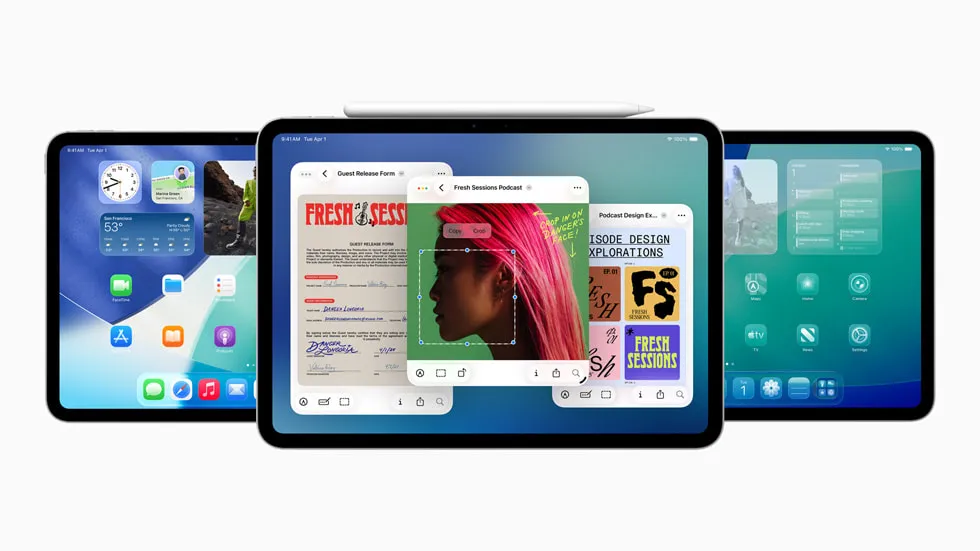
Apple introduced the concept of Liquid Glass in iOS 26 , an aesthetic that simulates hyper-realistic translucent layers, promoting an immersive visual experience. According to Apple itself, the goal is for users to "feel" the interface, as if they were interacting with physical liquid surfaces. In this way, this sensory approach creates an emotional connection with the system — something that few brands manage to achieve with such mastery.
Furthermore, Apple's design now emphasizes depth and visual hierarchy even more, with soft shadows, responsive animations, and subtle parallax effects. These elements work together to provide fluidity and elegance with every touch, reinforcing the commitment to excellence.
The Influence of Typography and Space
iOS 26 continues the use of the SF Pro and SF Rounded typefaces, but with micro-adjustments to tracking and baseline, improving readability, especially on smaller devices. Margins and padding have been carefully recalibrated, optimizing visual breathing room and navigation clarity — a practice already established in Apple design.
In addition, smooth transitions between screens, more human microinteractions and the conscious use of neutral colors with vibrant accents strengthen the balance between aesthetics and function. In this context, it is clear how Apple design continues to lead with sensitivity and sophistication.
Microinteractions and Tactile Feedback
Microinteractions have taken on new nuances. Now, there are tactile and visual responses that reinforce the user's intention in real time. For example, when sliding an element or touching a button, the haptic feedback is more precise, generating a feeling of absolute control.
It's worth highlighting that this type of detail, although imperceptible at first glance, contributes significantly to user loyalty — reinforcing why Apple design is considered a global benchmark.
Customization Without Losing Visual Identity
With iOS 26, users now have more freedom to customize without compromising the visual standard. Dynamic widgets, interactive icons and Ambient Mode adapt the interface to the time of day and user activity. All this while maintaining the visual coherence so defended by the Apple ecosystem.
This approach represents a balance between creative freedom and aesthetic consistency — one of the greatest challenges in interface design. It's no coincidence that Apple's design manages to accomplish this mission masterfully.
Integration with Vision Pro and Other Apple Devices
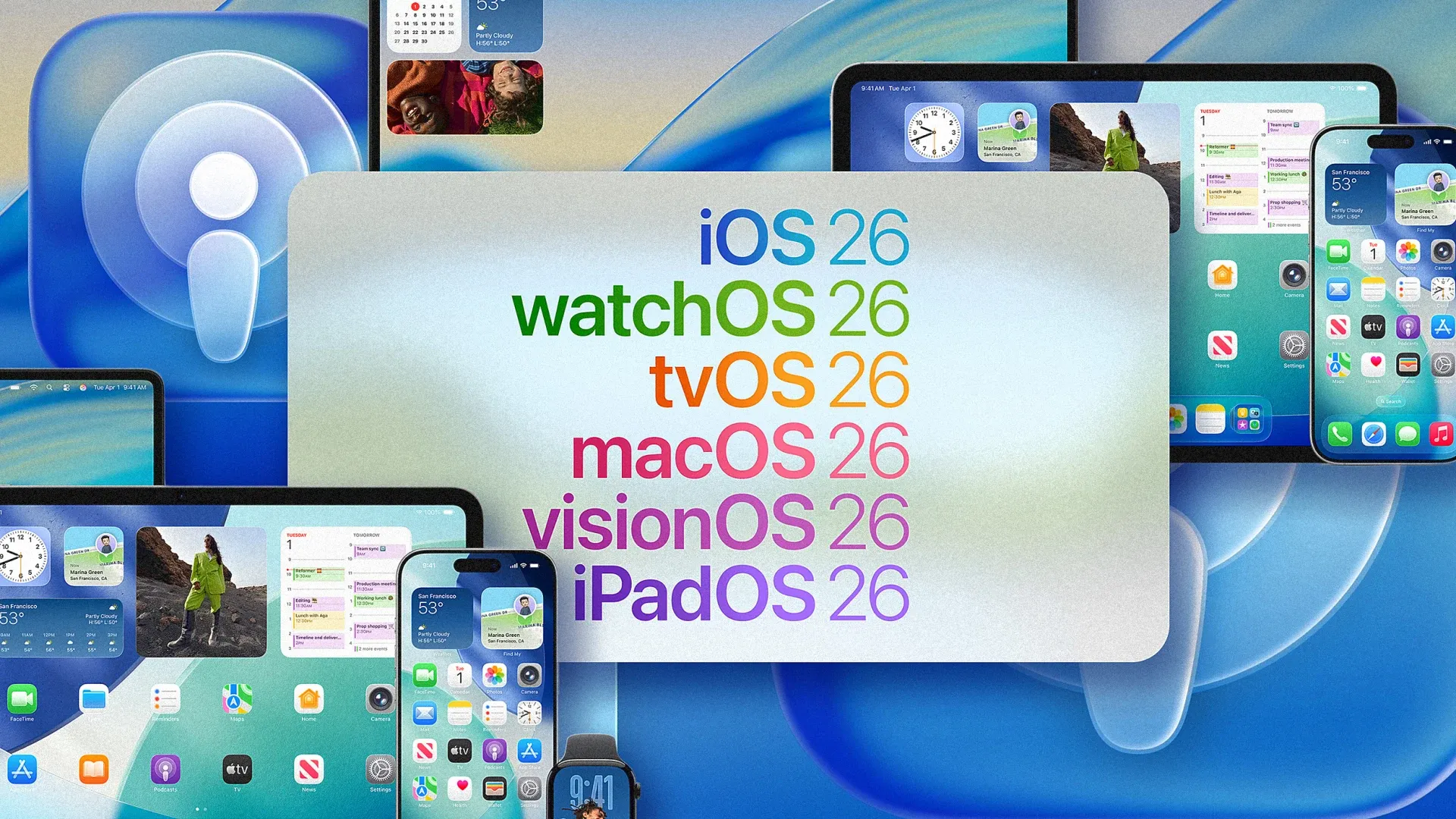
The Apple design in iOS 26 was conceived in sync with the brand's expanded ecosystem, such as Apple Vision Pro. Design elements like spatial gestures, transparencies, and eye feedback were taken into consideration to ensure a fluid UX across mixed realities and traditional screens.
Consequently, this reinforces Apple’s commitment to holistic design, where every device contributes to a unified and seamless experience.
Why is the design of the new iOS 26 having such an impact?
The impact of Apple’s new design is due to its ability to translate technology into sensation, emotion and visual clarity. The concept of Liquid Glass, for example, is not just aesthetic — it redefines the perception of depth and realism in mobile interfaces.
Designers, developers, and everyday users are being drawn to this visual language that combines minimalism, three-dimensionality, and sensoriality. Therefore, Apple's design is stronger than ever in its role of influencing visual and functional standards across the industry.
The great thing is that, even with remarkable technological advancements, Apple's design still manages to maintain its sophisticated simplicity — a trademark of the company.
Conclusion
iOS 26 is not just an update: it's a milestone. Apple design reaches a new level of maturity here, where aesthetics, technology, and emotion converge to create a fluid, personalized, and visually irresistible experience.
If you're a fan of the iOS look — like many design enthusiasts — this new version is a feast of inspiration and innovation. With this, iOS 26 reaffirms Apple as the absolute benchmark in the world of digital design, further strengthening the power of Apple design as a symbol of excellence and innovation.