
In a world saturated with artificial stimuli and increasingly homogeneous digital visuals, biophilic design emerges as an instinctive and necessary response. This concept, previously more widespread in architecture and interior design, is now gaining solid ground in graphic design as well . The proposal? To bring the organic, the natural, and the living into the visual experience of brands, packaging, interfaces, and visual identities. Through the incorporation of natural elements—such as organic forms, earthy textures, vegetal palettes, and visual flows that evoke nature—a deeper emotional connection is established with human beings. This provides cognitive relief and strengthens the presence of brands in a market that increasingly values purpose and sustainability.
What is biophilic design in the graphic context?
Biophilic design, in the context of graphic design, consists of strategic application of natural attributes — such as colors inspired by fauna and flora, fractal patterns, fluid typography and compositions that evoke natural landscapes — in visual pieces. Unlike a simple “green” aesthetic, it is a visual communication model that prioritizes emotional well-being, sensory engagement and human reconnection with the natural environment.
In light of this, Kellert and Calabrese’s (2015) research, often cited in academic circles on biophilia, states that exposure to natural visual stimuli reduces stress, increases productivity, and stimulates creativity. When applied to graphic design, these benefits can translate into more memorable campaigns, more welcoming brand identities, and more impactful visual experiences. As a result, it is possible to observe a significant gain in brand retention and perception of value.
How brands have applied biophilic design visually
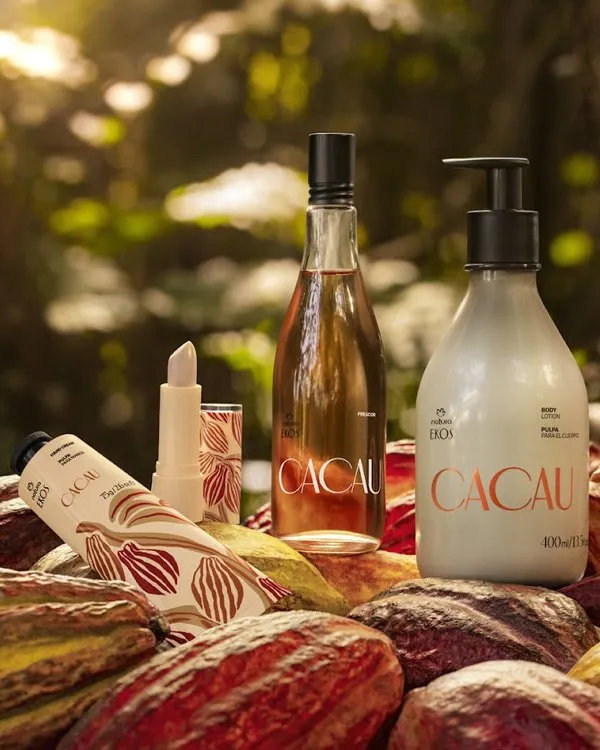
Brazilian multinationals like Natura are pioneers of this approach in the national market. By using visual elements inspired by the Amazon, the brand not only communicates sustainability but also evokes feelings of freshness, lightness, and ancestral connection. These visual attributes go far beyond aesthetics; they build trust and affection with the audience.
On the other hand, emerging brands have also embraced biophilia as a competitive differentiator. Branding agencies have been exploring curved shapes, asymmetrical compositions, and natural microtextures in visual identities for startups and conscious products. This shows that biophilic design is unfolding as a viable strategy for both large corporations and up-and-coming brands.
Practical applications in graphic design
Among the most effective applications of biophilic design in graphic design, the following stand out:
-
- Visual identities: logos with organic shapes, palettes that evoke tones of earth, sky, water and vegetation.
- Packaging: use of recyclable materials combined with layouts that incorporate natural textures or macro photographs of natural elements.
- Web design and interfaces: UI with natural gradients, fluid microinteractions, typography with spaces that evoke lightness and iconography inspired by fauna and flora.
- motion design: animations with movements that simulate the swaying of the wind, the fluidity of water or the growth of plants.
Furthermore, it is possible to observe that these applications not only beautify, but also strengthen the user's emotional connection with the brand , creating a sensory experience that remains vivid in the memory.
Tangible benefits in branding and visual marketing
Graphic designers who adopt biophilic design report a significant improvement in the audience's emotional response. Attention spans in digital campaigns increase, the brand's association with values such as sustainability, care, and innovation intensifies, and aesthetic perception evolves into something more timeless and emotionally rich. In other words, in marketing terms, these visual experiences promote organic engagement, as well as fostering deeper conversions. This is especially true in niches focused on wellness, health, natural food, and sustainability.
In fact, studies by Interface Inc. (a global leader in corporate biophilic design) show that brands that adopt natural visual elements in their communication have seen increases of up to 15% in emotional engagement.
The Future of Biophilic Design in Graphic Design
As graphic design evolves to include more humanized approaches, biophilic aesthetics cease to be just a trend and become established as a strategic visual language. The growing social pressure for sustainable practices, coupled with the public's demand for more meaningful experiences, points to a scenario in which biophilic design will be an essential differentiator—especially in the context of sensory branding and humanized visual identities.
Therefore, with the advancement of technologies such as artificial intelligence, organic 3D printing, and augmented reality, it is possible to foresee an even more intense integration between the digital and the natural. This will open doors to new possibilities for emotionally intelligent and sensorially immersive graphic design , where biophilic design will not be an aesthetic layer, but rather the backbone of all visual communication.
FAQ – Frequently Asked Questions
What differentiates biophilic design from sustainable design?
Sustainable design focuses on environmentally friendly materials and processes. Biophilic design, while often going hand in hand with sustainability, focuses on emotional connection between humans and nature through aesthetics and visual sensation.
Is it possible to apply biophilic design to corporate visual identities without looking rustic?
Yes. Biophilia does not require hardiness. On the contrary, biophilic designs can be highly sophisticated, minimalist or maximalist, as long as they evoke the essence of nature through colors, shapes or patterns.
What software can I use to apply this approach?
Tools such as Adobe Illustrator, Photoshop and After Effects, as well as Figma for interfaces, allow you to create biophilic textures, shapes and movements. Plugins and natural image banks also expand creative possibilities.
Final Words
Biophilic design in the graphic universe is more than an aesthetic trend; it's a strategic response to the demand for more human, sustainable, and emotionally engaging visual experiences.
Furthermore, as graphic design professionals deepen their technical repertoire and expand their creative sensibilities, the conscious use of nature as a visual language promises to transform the way brands express themselves, connect and impact the world.
Consequently, designers who master this approach will be ahead of the curve, both in the present and the future of design.