
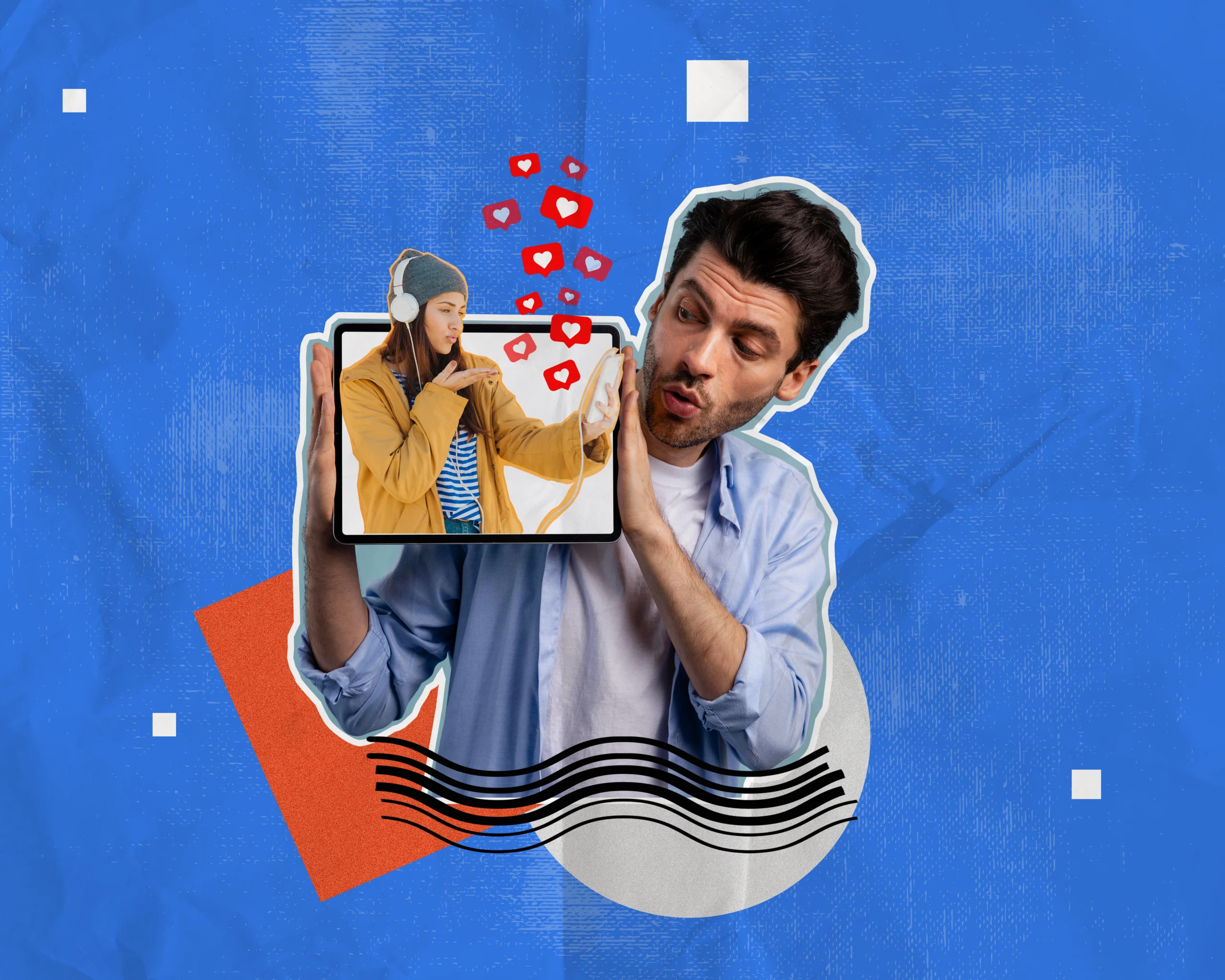
Expressive and emotional design is no longer just an aesthetic choice — it has become a real competitive differentiator. Strategically, it represents an approach that uses visual, interactive, and symbolic elements to elicit intentional affective responses. Moreover, rather than limiting itself to functionality, this type of design delves into sensory, cultural, and subjective experiences, creating deep emotional connections with users.
According to Don Norman, a global leader in human-centered design, our emotions shape decisions, perceptions and even memories associated with products. In other words, investing in emotional design means investing in connection, relevance and differentiation. Therefore, expressive and emotional design is more than desirable — it is indispensable.
And this view is corroborated by the Adobe Creative Trends 2024 report, which reveals that 73% of designers consider the emotional impact of interfaces a strategic priority in digital projects. Thus, expressive and emotional design is no longer an extra — on the contrary, it is an essential part of what drives innovation.
The Role of Expressive and Emotional Design in Outcomes
Those who still associate expressive and emotional design with visual superficiality are mistaken. In reality, it directly influences critical business metrics: retention, engagement, conversion and brand loyalty. In other words, its application goes far beyond aesthetics — it is a performance lever.
A study by the Nielsen Norman Group (2023) shows that interfaces with emotional appeal are up to 65% more likely to build user loyalty. This is because emotions such as surprise, nostalgia, empathy or a sense of belonging strengthen emotional bonds — and emotionally meaningful brands are more remembered and recommended.
Emotional design works on three complementary levels:
- Visceral: immediate aesthetic impact — colors, shapes and compositions that enchant at first sight.
- behavioral: sensations in interaction — fluidity, intuitive response and pleasure in usability.
- Reflexive: deep meaning — values, culture and identity conveyed by the interface.
Therefore, aligning these layers is essential for a user journey that is both emotionally engaging and strategically effective. In this way, expressive and emotional design is consolidated as a complete experience.
Expressive and Emotional Design in Visual Details: How to Activate Feelings with Intention
Applying expressive and emotional design, however, requires precise visual choices, made with intention and sensitivity. Below, we highlight the main features that activate emotions through aesthetics:
Color with Strategic Emotional Charge
Colors aren’t just decorative — they actually influence the brain. For example, Material 3 Expressive uses dynamic palettes based on user input, creating unique and deep emotional connections.
Choosing hues with cultural or symbolic meanings, as well as bold contrasts, can generate immediate and memorable emotional responses. In this way, color becomes a powerful design channel.
Typography with Emotional Personality
Typography is the visual tone of voice of an interface. Fonts can convey calm, energy, authority, lightness, or boldness — all without saying a single word.
Additionally, Google Fonts reported a 28% increase in the use of variable fonts in projects focused on emotional expressiveness, which highlights the importance of this choice for a more impactful design.
Organic Forms: More Humanity, Less Rigidity
Asymmetrical shapes, dynamic curves and non-linear compositions break visual rigidity and evoke movement, fluidity and authenticity — emotions that reinforce empathy with the brand. In other words, these shapes increase the value of expressive and emotional design.
Emotional Motion Design: Movement with Meaning
Microinteractions, smooth transitions, and purposeful animations increase engagement and enhance the emotional perception of the interface. According to UXCam, effective microanimations can increase user dwell time by up to 40%.
Thus, these details elevate the experience, making the expressive and emotional design more palpable and effective.
Applying with Strategy: Framework for Concrete Actions
Creativity needs to be accompanied by method. Therefore, below is a step-by-step guide to applying expressive and emotional design in a strategic and structured way:
- User Emotional Research Understand the emotions your audience is seeking to experience. Interviews, qualitative testing, and empathy maps can help you identify key feelings like safety, joy, freedom, or belonging. Understanding these emotions is the first step toward effective, expressive and emotional design.
- Mapping emotional moments in the journey Identify the points where users are most likely to react emotionally—onboarding, waiting screens, feedback, transitions, or error messages. In these cases, applying expressive and emotional design with intention can have the most impact.
- Visual choices with affective intent Every visual detail should reflect the desired emotion: colors, shapes, typography, icons and movement must be aligned with the emotional state you want to evoke. In this way, expressive and emotional design becomes cohesive and intentional.
- Emotional prototyping and affective testing Use Figma, Adobe XD, ProtoPie, or Framer to prototype and test. A/B test not only performance, but also qualitative emotional responses like smiles, surprise, or frustration. This will help you validate whether your expressive and emotional design is actually working.
The Material 3 Expressive Case
Google has revolutionized its design system by launching Material 3 Expressive, a proposal that rejects visual neutrality and focuses on the emotional personalization of the experience. This initiative is a landmark in design on a global scale.
Highlights of this innovative approach:
- Adaptive palettes generated by user content
- Icons with emotional depth and cultural symbolism
- Fluid, organic and less rigid layouts
- Contextual expressiveness, which reacts to the user's emotional state
As such, this shift reflects a growing trend: users want to feel represented in the interfaces they use — and expressive, emotional design is key to that connection.
Real and Strategic Impact
Embracing expressive and emotional design goes far beyond aesthetics. In fact, it generates measurable and sustainable gains for brands seeking differentiation and lasting relevance.
| Benefit | Strategic Impact |
|---|---|
| Increased loyalty | Up to 65% more user retention |
| Churn reduction | Emotionally engaging interfaces reduce abandonment |
| Conversion growth | Up to 35% more clicks on emotionally appealing CTAs |
| brand strengthening | More memory, symbolic identity and emotional connection |
The return is clear: well-applied emotion generates brand value and concrete results. Therefore, expressive and emotional design represents a real advantage in the contemporary market.
FAQ – Expressive and Emotional Design
- What is the main difference between traditional UX and emotional design? Traditional UX seeks efficiency and functionality. Expressive design, on the other hand, includes the affective dimension — it makes the user feel, creating memorable and human experiences.
- What tools are ideal for applying emotional design? Figma, Adobe XD, ProtoPie, Lottie, and Framer allow you to prototype, animate, and test emotionally engaging interfaces. In other words, they are ideal for applying emotional design.
- How to measure the impact of this type of impact? Go beyond traditional KPIs. Use heat maps with facial recognition, metrics like emotional NPS, and qualitative testing to capture the affective impact of the interface. This way, you can truly assess the value of the design.
- Is it possible to overdo expressiveness? Yes. Emotion without context becomes noise. Therefore, effective emotional design is one that balances function, form and affective intent — always aligned with the user's purpose and profile. Thus, expressive and emotional design fulfills its role with responsibility and strategy.