


In recent years, AI and wearable design have become essential topics in the world of technology. These areas are not just about creating functional interfaces, but about creating immersive experiences that profoundly alter how we interact with the digital world. Artificial intelligence is becoming increasingly sophisticated, and wearable devices are rapidly gaining popularity. This opens a new era in the design of digital experiences, making the use of these technologies not only possible, but intuitive and emotionally engaging.
The Impact of Design for AI and Wearables
"Technology is a reflection of our humanity, and when designing it, we must always keep people's well-being in mind."- Elon Musk
“Technology is a reflection of our humanity, and when we design it, we must always keep the well-being of people in mind.”
Elon Musk has always emphasized the importance of design focused on human well-being . He recognizes that, while AI and wearables continue to evolve, design must remain focused on the real needs of users . It's not just about creating powerful technologies, but about developing meaningful and useful interactions . When designing for these devices and systems, designers face the challenge of creating intuitive experiences that emotionally engage the user. These devices need to function effortlessly, integrating technological complexity with an accessible and pleasing design.
The New Era of Design: Digital Interactions and Behaviors
Today, interaction design goes beyond simply creating efficient interfaces. It aims to provide experiences that are both impressive and personalized . AI is not just a tool, but an intelligent system that learns from user behavior and adjusts the experience in real time. Wearables , such as smartwatches, are now more than just health monitors. They help optimize daily routines by providing personalized insights based on data collected throughout the day. Technology, therefore, integrates so seamlessly that interactions seem natural , almost invisible.
Instead of a fragmented experience , as was the case in the past, interactions now flow seamlessly. AI and wearable technologies are transforming the way we work, exercise, and even interact socially.
The Personalization Challenge: How to Reach the Right User?

"Mass customization is not just a trend; it’s a revolution. The key to success lies in understanding your user’s needs and, with that, offering a unique and valuable experience."- Sundar Pichai, CEO of Google
"Mass personalization is not just a trend; it's a revolution. The key to success is understanding your user's needs and from that, offering a unique and valuable experience."
Personalization has always been an essential element in design. For AI and wearables , it becomes a powerful tool. By integrating machine learning and data analytics , it's possible to offer highly customized user experiences . Every interaction, every touch, can be adjusted to meet the specific needs of each individual . A clear example of this is how wearable devices adjust their functionalities based on data collected over time, from physical activity levels to sleep patterns.
This type of personalization is not only useful, but transformative . It creates a more relevant, engaging, and memorable experience . Therefore, a successful design needs to be able to not only meet the explicit desires of users, but also anticipate unspoken needs.
Design for the Future: A Revolution in Marketing and Technology
"Companies that create exceptional experiences are more likely to create lasting loyalty with their customers.” Brian Chesky, CEO of Airbnb
“Companies that create exceptional experiences are more likely to build lasting loyalty with their customers.”
Brian Chesky 's vision highlights a fundamental point: in a saturated digital world, user experience is the main factor that differentiates successful companies from those that fall behind. Design for AI and wearables is becoming a powerful marketing strategy , not only in terms of functionality, but also in how it delights the user . By designing experiences, companies are creating an ongoing relationship with their consumers.
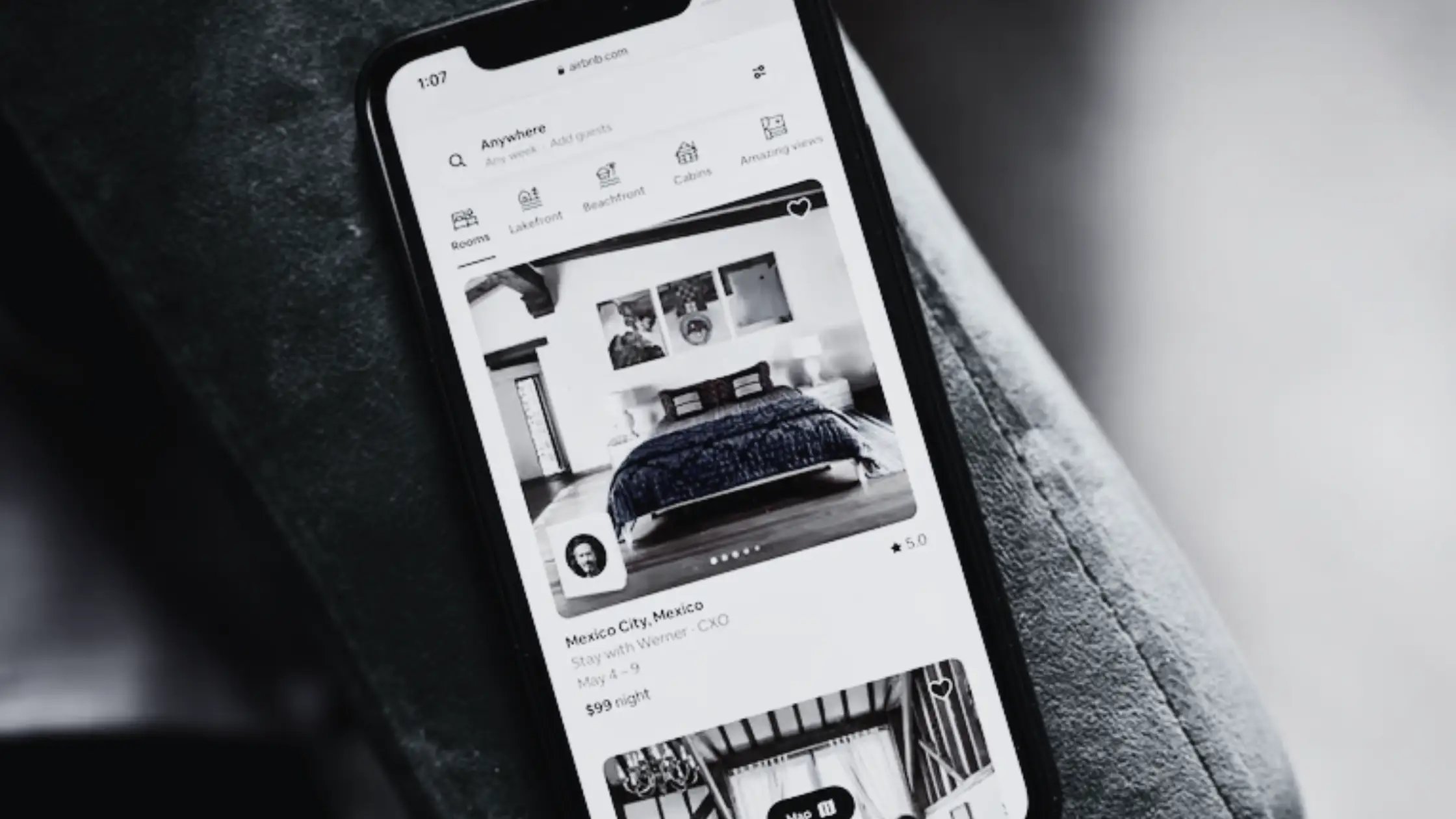
Digital transformation doesn't just happen behind the scenes. It must be reflected in every aspect of customer interaction, from the first contact to post-sale engagement.
Practical Applicability: How to Implement?
For design professionals, understanding how to effectively implement AI and wearables is more than a technical skill: it's an art. Tools like Figma or Sketch are essential for creating effective interface prototypes, but it's the understanding of human behavior that truly distinguishes good design. Analyzing user data , understanding behavioral trends , and knowing how personalization can be done ethically are essential skills for success.
Furthermore, when designing for wearables, usability and accessibility must be considered . Interfaces need to be intuitive and practical, especially since many of these devices will be used on the go. The challenge is to make the design fluid, natural , and intuitive.
Conclusion: The AI Design That’s Reinventing User Behavior
the future of design for AI and wearables is still being written. Every day, new innovations bring challenges and opportunities. As Steve Jobs stated: “Innovation distinguishes a leader from a follower.”
“Innovation distinguishes a leader from a follower.”
Design professionals now have an unprecedented opportunity to transform the user experience , creating interactions that are more personalized, efficient, and emotional. As technologies evolve , design must also evolve, responding ever more fluidly to consumer needs and creating memorable digital experiences.
The future of technology isn't about devices and software. It's about the experiences they create. And design has the power to shape them.