


What is Phygital Design?
Phygital design represents the strategic fusion between physical and digital experiences, promoting hybrid interactions that redefine the role of graphic design in contemporary brands. This approach, which combines technology, aesthetics, and behavior, breaks down the barriers between the tangible and the virtual. Through it, it is possible to create richer, more immersive, and memorable experiences that strengthen the emotional connection with the audience.
In the context of graphic design, phygital goes beyond static, two-dimensional visuals. It transforms labels, packaging, catalogs, point-of-sale materials, and campaigns into channels for digital interaction. A clear example is the use of augmented reality (AR) in printed materials: by scanning a QR code, the consumer accesses videos, animations, or 3D experiences, expanding the brand's visual narrative. This not only reinforces the brand identity but also boosts the perception of innovation and added value.
Why is Phygital Design Crucial Now?
Digital acceleration, combined with the saturation of generic content, demands differentiation. And it is precisely in this scenario that phygital design stands out. It allows us to create interactions that are simultaneously intuitive, emotional and technologically advanced.
According to Octadesk and Opinion Box (2024) , 61% of Brazilians prefer to buy online, but value brands that offer physical touchpoints with integrated technology . This demonstrates that, despite increasing digitalization, the physical aspect still matters—as long as it is combined with digital intelligence.
More than a differentiator, phygital design has become a competitive criterion. In an era of microservices and increasingly personalized UX, brands that fail to deliver hybrid experiences are doomed to oblivion.
Furthermore, according to a report by Accenture Brazil , companies that invest in phygital design strategies have increased the average consumer attention span on interactive graphic pieces by up to 40% , especially when these involve gamified, sensory, or real-time personalization components.
Phygital Reference Cases in Brazil
The Brazilian scenario already has notable examples of successful application of phygital design, which demonstrate its effectiveness and transformative potential.
Nature
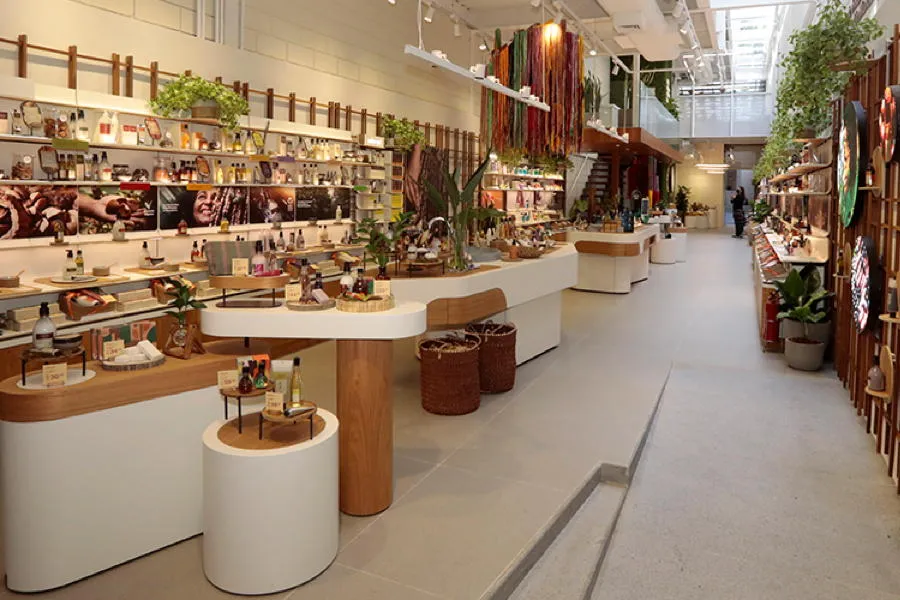
The Brazilian cosmetics giant innovated with the launch of the Perfum.AR device , a sensory solution that allows consumers to experience fragrances through technological aroma diffusion, without the need for physical contact. Complementing this experience, the packaging's graphic design was rethought to include QR codes that connect consumers to immersive sensory content—such as videos, soundtracks, and digital environments. This strategy strengthens the brand's narrative and provides an integrated sensory journey.
Amaro
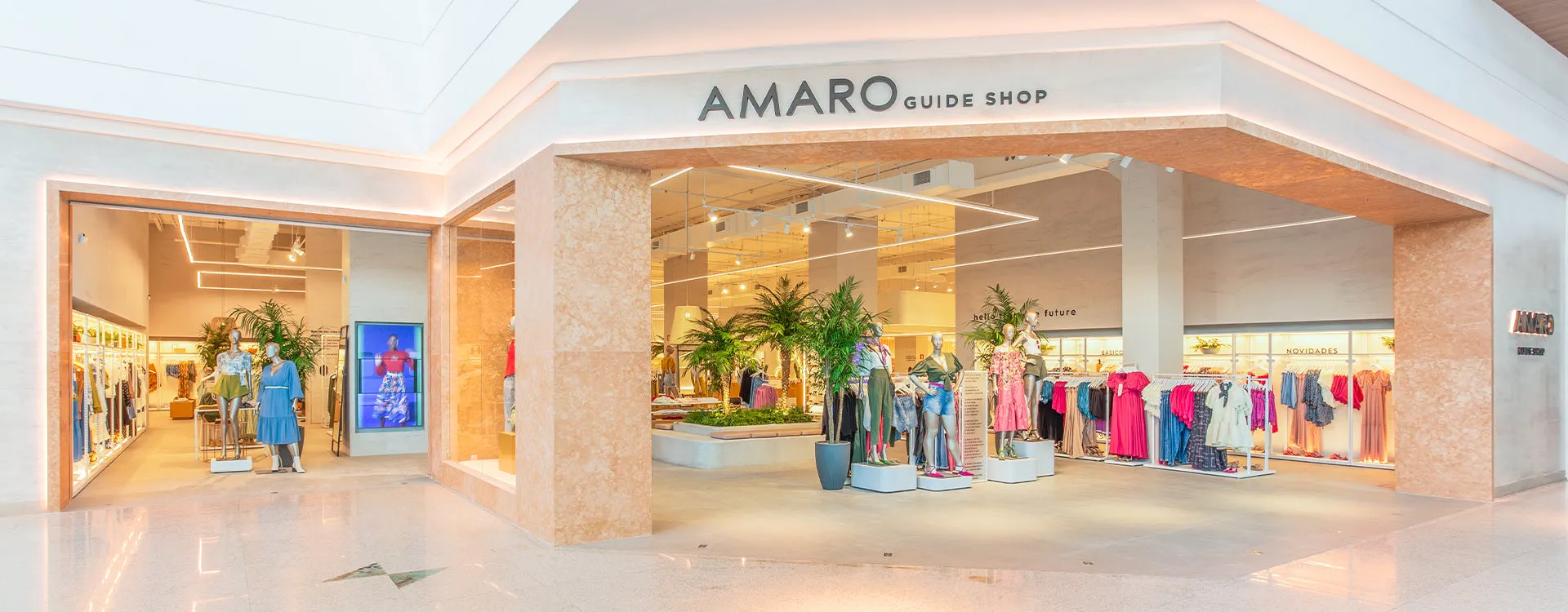
The digitally native fashion brand adopted the phygital concept by creating Guide Shops : physical spaces without inventory where customers can try on products and complete their purchase through the app. The entire graphic environment, from visual merchandising to informational and promotional materials, was developed with a responsive and functional design, conceived to facilitate a seamless journey between the physical and digital worlds. This approach enhances the shopping experience and reinforces the brand's innovative positioning.
Track&Field
Through the TFSports platform , the sports brand promotes in-person training combined with accessible digital experiences via an app. The visual communication of these experiences—such as races, events, and workshops—is unified by a consistent graphic identity, adapted to multiple touchpoints. The integration between graphic design and user experience contributes to the creation of an engaged community around the brand, promoting well-being and loyalty.
Banco Inter
Born digital, Banco Inter has invested heavily in physical experiences with interactive graphic design. Examples include cards with augmented reality, in-person events with omnichannel graphic communication, and pop-ups with hybrid environments. Phygital design here serves to make the bank's innovation tangible, creating memorable touchpoints that connect the digital universe to the customer's daily life.
In addition to these examples, other Brazilian brands such as O Boticário, C&A and Heineken have developed activations that combine art, technology and physical interaction in advertising campaigns, signaling an increasingly consolidated trend in the market.
How to Implement Phygital Design in Graphics?
Implementing phygital design in the graphic design world requires more than just incorporating technology into visual elements. First and foremost , it's necessary to understand that this practice represents a profound shift in mindset , where graphic design ceases to be merely decorative and begins to play an active role in the consumer experience . To achieve this , it's essential to think strategically about how to connect the physical and digital worlds in a fluid, functional, and engaging way.
1. Start with accessible technologies
First and foremost , it's essential to invest in simple yet powerful technological tools. Resources such as QR codes , augmented reality (AR) , NFC , and mixed reality are accessible and offer a high creative return. Furthermore , these technologies allow for the transformation of traditional graphic materials into interactive gateways without requiring large investments or radical changes in production.
For example , a simple brochure can gain a digital layer that reveals videos, animations, or links to customized actions. In this way , graphic design becomes a starting point for richer experiences that increase the audience's connection with the brand.
2. Build hybrid narratives
Secondly , it is essential to develop hybrid narratives that flow between print and digital. Each piece—whether it's packaging, a poster, a catalog, or point-of-sale material—should be conceived as part of a story that continues beyond the page.
In other words , graphic design needs to contain elements that encourage the user to interact, access, and discover. Consequently , this amplifies the impact of communication and strengthens the consumer's emotional engagement with the brand. Furthermore , using storytelling across media improves message retention and reinforces brand identity on different platforms.
3. Integrate data into visuals
On the other hand , it's not enough to simply insert technology: it needs to be made intelligent . The integration of behavioral and contextual data allows for the creation of more personalized and efficient graphic elements. For example , based on browsing history or user preferences, it's possible to adapt content, suggestions, or visual calls to action to make the experience unique.
Consequently , the brand demonstrates that it understands and respects its audience, which generates more trust, engagement, and loyalty. Thus , graphic design becomes not only functional but also predictive and relevant.
4. Think multichannel from the start
Furthermore , it is essential to consider multichannel communication from the moment of creation. The same graphic concept must work well in both physical and digital environments, maintaining consistency, clarity, and visual impact. In other words , material created for print should also have a version adapted for screens, social media, interactive displays, and virtual environments.
Therefore , the design needs to be conceived with visual flexibility , respecting the particularities of each platform. This ensures a consistent and fluid experience, regardless of the channel of contact with the audience.
5. Reposition graphic design as an experience
Finally , it's important to emphasize that phygital graphic design is not just a trend, but a new way to generate value. Therefore , it should be understood as a central element in building the customer experience . More than just informing or visually attracting, the design needs to invite action, discovery, and participation.
Therefore , brands that manage to combine creativity, technology, and graphic strategy are the ones that not only stand out, but also build deeper and more lasting bonds with their audience.
Strategic Data That Proves Efficiency
- 87% of consumers say they are more likely to remember a brand that offers a memorable hybrid experience.
Source: Think with Google, 2024 - Companies that use phygital interactive graphic design increased their conversion rate by up to 32 %, especially in launch actions.
Source: Adobe Experience Cloud Report, 2023
Conclusion
Phygital design is more than a trend — it's the necessary evolution of graphic design in the 21st century. Brands that integrate the physical and digital worlds with creativity, strategy, and technology are able to create deeper experiences, increase customer loyalty, and position themselves as innovation leaders.
Therefore, investing in phygital design is not optional. It is imperative for those who want to be relevant, desired and remembered in a market where attention is the new gold.