


What are Conversational Interfaces?
Conversational interfaces are systems designed to enable interaction between humans and machines through natural language, whether by text or voice. By definition, these interfaces were developed to allow communication to flow like a human conversation, thus being more intuitive, agile, and engaging. This type of interface, therefore, represents a break from traditional design, since it prioritizes the user experience based on human behavior, and not just menus or buttons.
According to Satya Nadella, CEO of Microsoft:
“Conversations will be the new user interface.”
Satya Nadella made this statement in 2016, and it still resonates strongly, as it reflects the essence of this movement, which prioritizes understanding and predicting human intentions through technology.
The Relevance of Conversational Interfaces in Design
The market has come to consider design guided by conversational interfaces as essential in the development of contemporary digital products. Through automation and artificial intelligence, brands can provide more natural and humanized experiences. This creates a closer relationship between consumers and companies, since interactions are conducted in familiar, friendly and personalized language.
Furthermore, according to a Gartner report (2023), 70% of customer interactions will be conducted through voice technologies or chatbots by 2026. This demonstrates how companies and users have been widely driving the adoption of this model, especially because it provides greater efficiency and user satisfaction.
How Machines Are Transforming Experiences
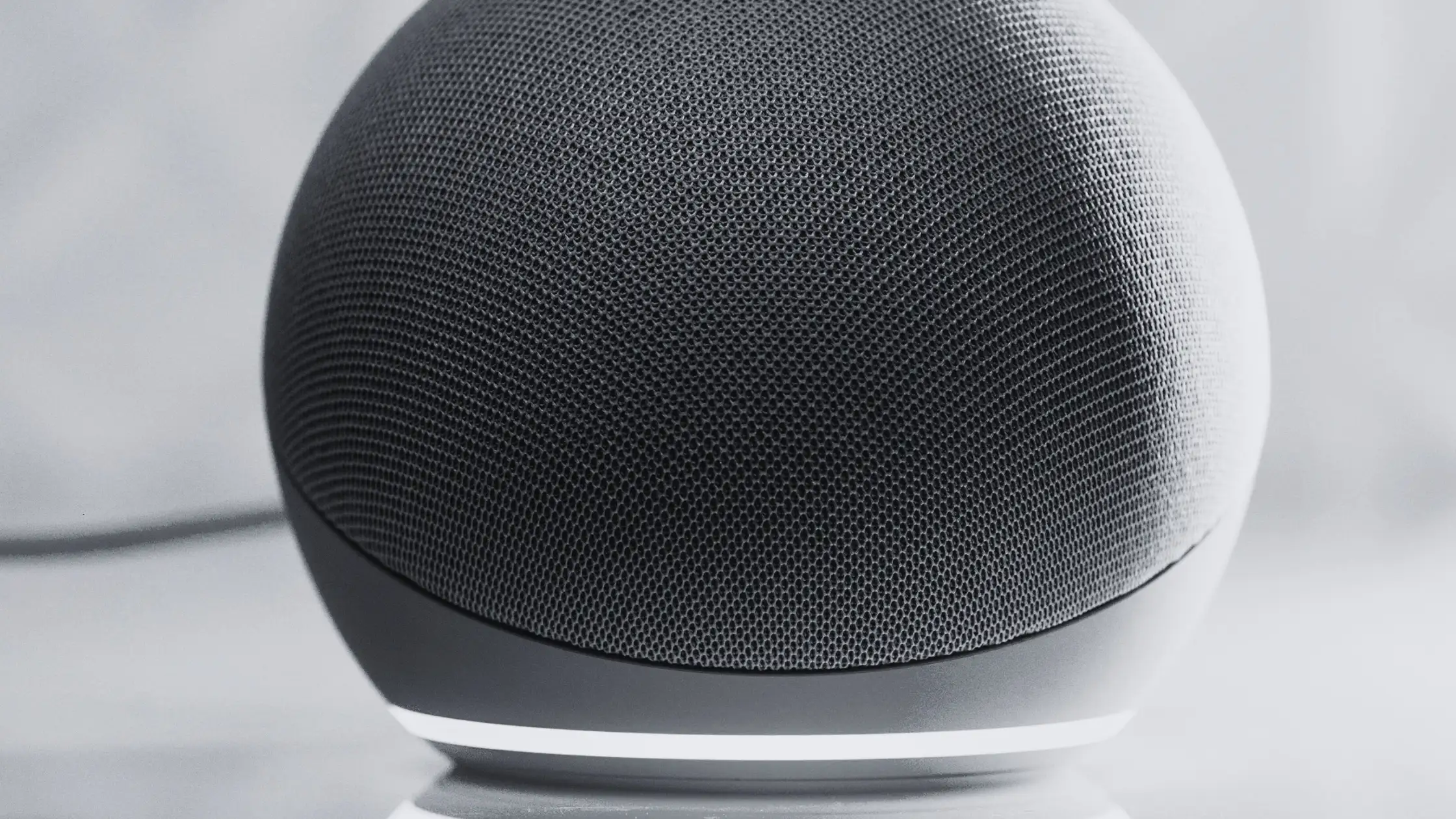
For example, consider virtual assistants like Amazon's Alexa or Google Assistant . Users interact with these systems using only their voice, performing tasks such as playing music, setting alarms, or searching for information. This demonstrates how the design of conversational interfaces stands out for creating fluid and practical experiences adapted to everyday life.
Another relevant example involves the banking sector, where Bradesco implemented the virtual assistant BIA (Bradesco Artificial Intelligence), designed to answer questions and perform financial transactions. Through this resource, the company managed to optimize customer service and reduce the average response time to its clients by up to 85%.
Interfaces and the Evolution of Graphic Design
Although traditionally associated with visual elements, graphic design has currently expanded its boundaries to incorporate more sensory and interactive dimensions. Designers design conversational interfaces with a focus on flows, language patterns and tone of voice, which are essential elements to ensure visual and communicational coherence across all points of contact.
According to Don Norman, a global reference in interaction design:
“Design should be invisible; it should disappear until only the experience remains.”
This philosophy, when applied to conversational interfaces , implies that graphic design becomes increasingly oriented towards creating immersive experiences and less focused solely on visual aesthetics, but also on the dynamics of human interactions.
Strategic Benefits of Conversational Interfaces
Among the main benefits offered by conversational interfaces , the following stand out:
-
Enhanced accessibility: Through voice, it is possible to eliminate physical and cognitive barriers, allowing more users to interact with digital systems.
-
Operational efficiency: By automating responses and processes, companies can reduce costs while offering fast and personalized service.
-
Customer loyalty: By providing more natural and empathetic interactions, brands strengthen their relationship with their audiences.
A human-centered design approach maximizes these benefits and places the human experience at the center, something made possible by the potential of conversational interfaces.
Challenges in Implementing Conversational Interfaces
Despite the numerous advantages, the implementation of conversational interfaces involves significant challenges, such as the development of linguistic models capable of understanding cultural, regional, and emotional variations. Furthermore, there is a need to ensure security and privacy, especially in sensitive sectors like healthcare and finance.
In Brazil, for example, Magalu implemented a virtual assistant that operates via WhatsApp, integrating with its e-commerce platform and enhancing the shopping experience. However, even with this success, constant adjustments and updates are necessary to improve understanding and empathy in interactions.
The Future of Conversational Interfaces
As technologies like natural language processing (NLP) and artificial intelligence (AI) evolve, conversational interfaces are likely to become even more sophisticated. It is estimated that by 2030, almost all commercial interactions will be mediated, to some degree, by conversational systems. This will be driven, especially, by the need for brands to create more meaningful and personalized connections.
According to Sundar Pichai, CEO of Google:
“The future of technology will be shaped by conversational intelligence.”
Therefore, companies and graphic design professionals who wish to remain competitive will need to master the creation and implementation of these interfaces, transforming the way they interact with their audiences.
Conclusion: The Design of the Future is Conversational
Conversational interfaces are no longer just an emerging trend, but an ongoing revolution in the field of graphic and digital design. By enabling more natural, efficient, and personalized interactions, these interfaces redefine the user experience and create new opportunities for innovation.
Therefore, investing in conversational interface design is a crucial step for brands that want not only to stand out, but also to establish authentic and lasting bonds with their consumers, in an increasingly experience-driven environment.