

In a landscape saturated with predictable minimalism and sterile neutral palettes, maximalism emerges as a disruptive force—a visual cry that resists the aesthetic homogenization of the digital age. Although often mistaken for gratuitous excess, maximalism, when well executed, is a powerful tool for visual storytelling , capable of amplifying expressiveness, capturing immediate attention, and imprinting personality in an unmistakable way.
What is Maximalism in Design?
Unlike minimalist design, which is based on the deliberate removal of elements, maximalist design operates in the opposite direction: it celebrates profusion , layering , detail , and ornamentation . It is an aesthetic that doesn't ask permission to enter—it invades. But it doesn't do so capriciously; it does so strategically.
According to design theorist Rick Poynor, " visual overload is a legitimate response to a world saturated with stimuli ." This approach, therefore, does not represent a lack of control, but rather intentionality with a high impact.
Maximalism as a Market Trend: Data and Context
According to the Core Design Trends 2025 report , prepared by Adobe, maximalism is among the three most adopted visual styles in branding and digital marketing campaigns in the last year. On platforms like Pinterest and Behance, terms such as cluttercore , graphic intensity , and visual noise showed growth exceeding 70% in searches.
Furthermore, the algorithm favors maximalism: the more contrasting, vibrant, and unexpected the content, the higher the retention rate on social media. The culture of fast scrolling demands designs that interrupt the flow—and nothing fulfills this role better than a well-articulated graphic explosion.
Psychology of Excess: Why Does It Work?
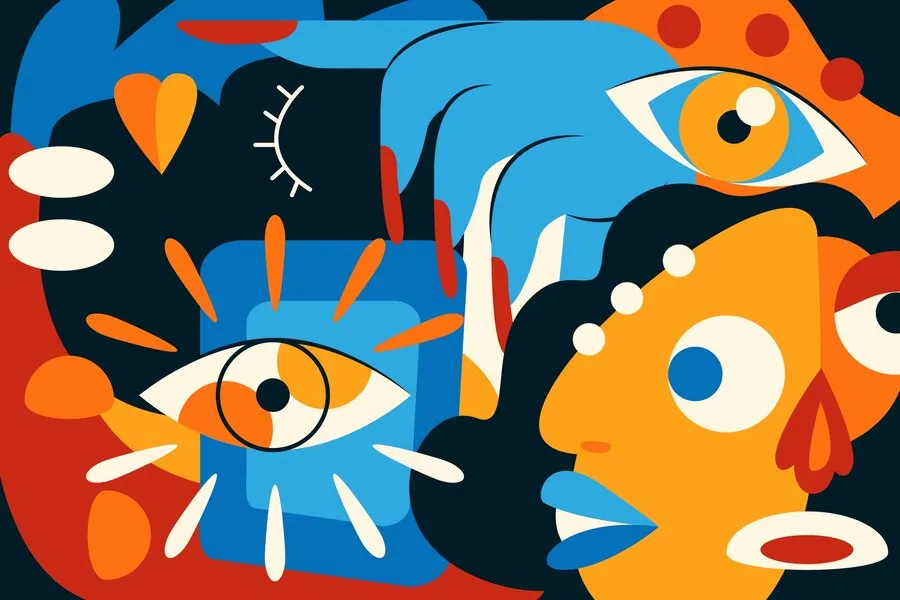
Maximalism operates on the principle of controlled saturation . Intense colors, oversized typography, overlapping textures, and mixed cultural symbols produce a visual field that stimulates multiple areas of the brain. The result? Prolonged attention, emotional retention, and an affective association with the brand.
This aesthetic activates the limbic system and promotes unconscious engagement — a strategy that aligns with what Lindstrom (2022), a neuromarketing expert, describes as “ high cognitive load sensory branding ”.
Cultural Maximalism: Rescue, Hybridism and Identity Expression
The return of maximalism is also deeply tied to contemporary discourses of cultural revival and aesthetic plurality . Instead of erasing traits and standardizing identities, maximalism allows for the incorporation of ethnic, historical, mythological, and urban references into the same visual composite.
Designs inspired by Baroque , Pop Art , and Indian, African, and Latin American aesthetics have gained prominence in advertising campaigns for brands such as Gucci, Absolut, and Spotify—all recognized for exploring the intersection between art, culture, and design.
Strategic Applications in Branding
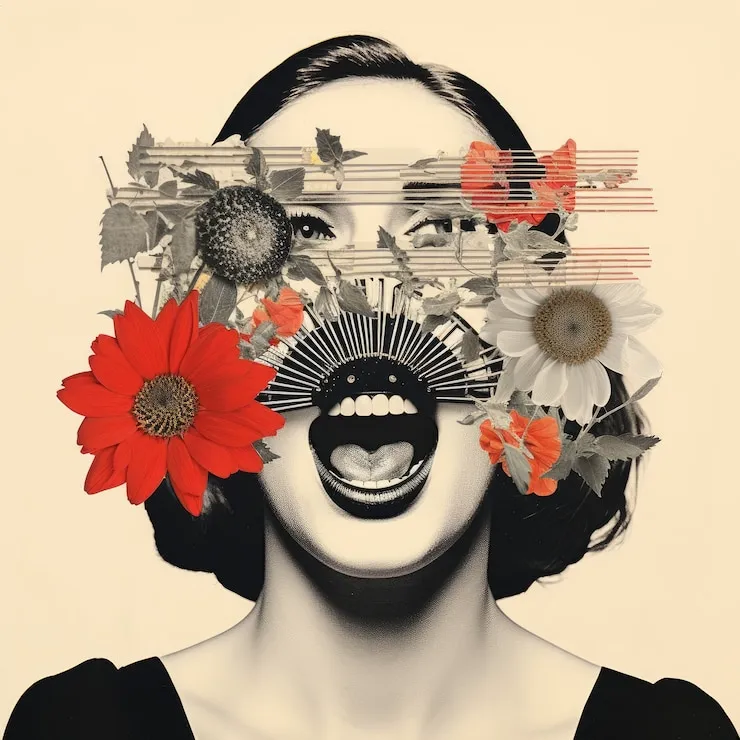
When applied to branding, maximalism goes beyond aesthetics—it communicates values . Brands that position themselves as bold, authentic, inclusive, or cultural tend to benefit enormously from this visual language. Here are some practical examples:
-
Cosmetic packaging with psychedelic patterns and chaotic lettering is performing better in direct-to-consumer (DTC) sales.
-
Application interfaces that utilize maximalist microinteractions (with movement, color, and texture) exhibit 23% higher conversion rates.
-
Fashion campaigns that embrace aesthetic excess are being shared more on platforms like TikTok and Instagram.
Digital Maximalism vs. Print Maximalism
While digital media allows for the exploration of movement, interactivity, and infinite overlap, print media demands precise contrast and hierarchical legibility . However, both formats share a common principle: the art of containing chaos within a functional visual system.
The key lies in the composition . Even in maximalism, balance is still necessary. As Alexey Brodovitch, the iconic art director of Harper's Bazaar, stated:
" Encourage disorder, but never lose control. "
Application Risks: When Maximalism Hurts Strategy
Although powerful, maximalism demands technical expertise and contextual sensitivity . In projects aimed at clarity, accessibility, or serenity, excess can compromise the user experience. Therefore, its use should always be based on clear objectives and reception testing—especially in interfaces.
Furthermore, maximalism doesn't replace brand strategy. It amplifies it. A cluttered design without purpose is just noise. A maximalist design with purpose, on the other hand, is a visual orchestra in a state of creative combustion.
Conclusion: Maximalism is Strategy, Not Style
Reducing maximalism to a mere aesthetic trend is a strategic error. It is a positioning tool , a contemporary language of disruption that speaks directly to the desires of an audience tired of uniformity.
In times when brand identity needs to be bold, memorable, and disruptive , maximalism delivers what minimalism cannot: emotional intensity, narrative complexity, and aesthetic originality.
As Pentagram designer Paula Scher said:
" Chaos, when well designed, is a refined form of order. "