


What is emotional retrofuturism?
Retrofuturism is an aesthetic and cultural trend that blends technological visions of the future with visual and symbolic references to the past —especially from the 1970s to the 1990s . This language manifests itself in vintage typography, neon colors, analog textures, and forms that hark back to times when the future was still a promise of dreams and progress.
Emotional retrofuturism , however, goes far beyond appearances. It activates deep affective triggers , rescuing memories and sensations that create authentic bonds between brands and people . In a world saturated with data and impersonal interfaces, this approach offers a precious differentiator: human warmth, nostalgia, and truth.
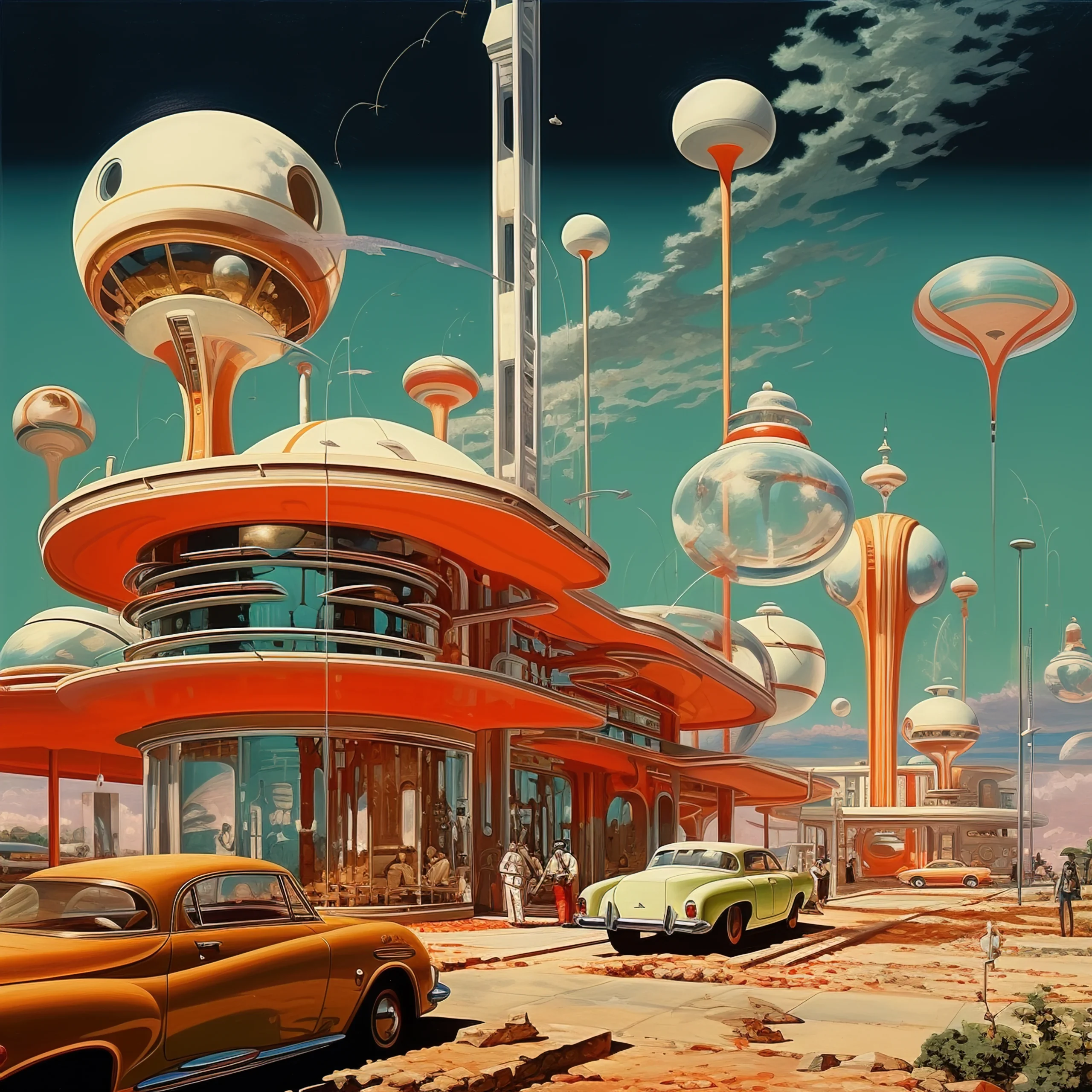
Why has retrofuturism come back with such force?
People are, more than ever, exhausted by generic and emotionally disconnected digital experiences . As technology advances exponentially, feelings of emptiness and dehumanization also arise. Precisely for this reason, retrofuturism emerges as an affective and aesthetic response— rescuing the familiarity of the past to soften the complexity of the present.
Furthermore, the global pandemic has spurred a collective search for cherished memories, emotional security, and elements that remind us of simpler times. This movement has directly impacted design, communication, and branding, sparking companies' interest in aesthetics that convey hope, authenticity, and a sense of belonging.
According to Andrea Álvares , former CMO of Natura:
“People are hungry for connection. And brands that understand this create much more than campaigns — they create connections.”
Retrofuturism, therefore, functions as an emotional bridge between the security of the past and the allure of the future . It generates symbolic value by strategically combining vintage visual elements with technological innovation and immersive digital experiences . Thus, retrofuturistic design impacts not only through nostalgic aesthetics, but above all through its ability to create memorable and meaningful experiences.
Examples like Havaianas , which relaunched models with designs inspired by the 90s in collaborations with digital artists, or Embraer , which revives classic aviation lines in future mobility projects, show that memory can be a lever for real and cultural innovation . Furthermore, brands like Melissa and Reserva have been adopting retro codes in collections and campaigns precisely because these elements create a direct dialogue with the emotions and imagination of new generations.

With all this in mind, it's clear that retrofuturism hasn't just returned—it has gained prominence as a strategic language for brands that want to be relevant, emotional, and visionary all at once.
It's not just aesthetics. It's a branding strategy
Reducing retrofuturism to a mere visual trend would be a huge mistake. In fact, it has become a powerful branding strategy capable of transforming visual identities into lasting emotional assets . Instead of simply pleasing the eye, this aesthetic resource evokes emotional connections, builds trust, and reinforces the brand's core values.
By intelligently adopting retrofuturism, companies can not only communicate innovation but also reposition their emotional presence in the market . This is because the style, when well applied, activates archetypes and symbolic narratives that create immediate familiarity—and that's gold in the world of competitive differentiation.
Natura , for example , uses visual elements that evoke Brazilian ancestry and culture in its packaging, while incorporating green technologies and cutting-edge ingredients. The result? Communication that projects the future, but with solid roots in the past—and that restores consumer confidence amidst the avalanche of technological promises.
Another example is Fiat , which repositioned several classic models with a focus on connectivity, urban mobility, and sustainable solutions. The design, which harks back to the past, takes on a strategic function: anchoring the new in what is already known , reducing resistance and increasing engagement.
According to a recent study by Nielsen Brazil (2022) :
“Campaigns with nostalgic appeal increase brand retention by 17% and generate 22% more engagement on social media.”
In a world where public attention is increasingly fragmented, creating emotionally and visually recognizable touchpoints can be the deciding factor between being forgotten or remembered. Retrofuturism, in this sense, is not a fad, but a strategic vehicle for delivering messages with emotional and cultural depth.
Three reasons that make retrofuturism irresistible
First , because it combines the comfort of what we already know with the fascination of the unknown. Few languages manage to be simultaneously familiar and surprising. Retrofuturism delivers exactly that—while evoking memories, it invites discovery. This combination triggers dopamine, reinforces engagement, and prolongs the consumer's attention span.
Secondly , because the saturation of impersonal digital stimuli has generated a new collective desire: that of aesthetics with soul. And retrofuturism masterfully responds to this demand, since its visual style is not merely decorative—it is evocative. With each retro color, shape, and sound that merges with technological and contemporary elements, a new symbolic language is created that pulsates with identity and authenticity.
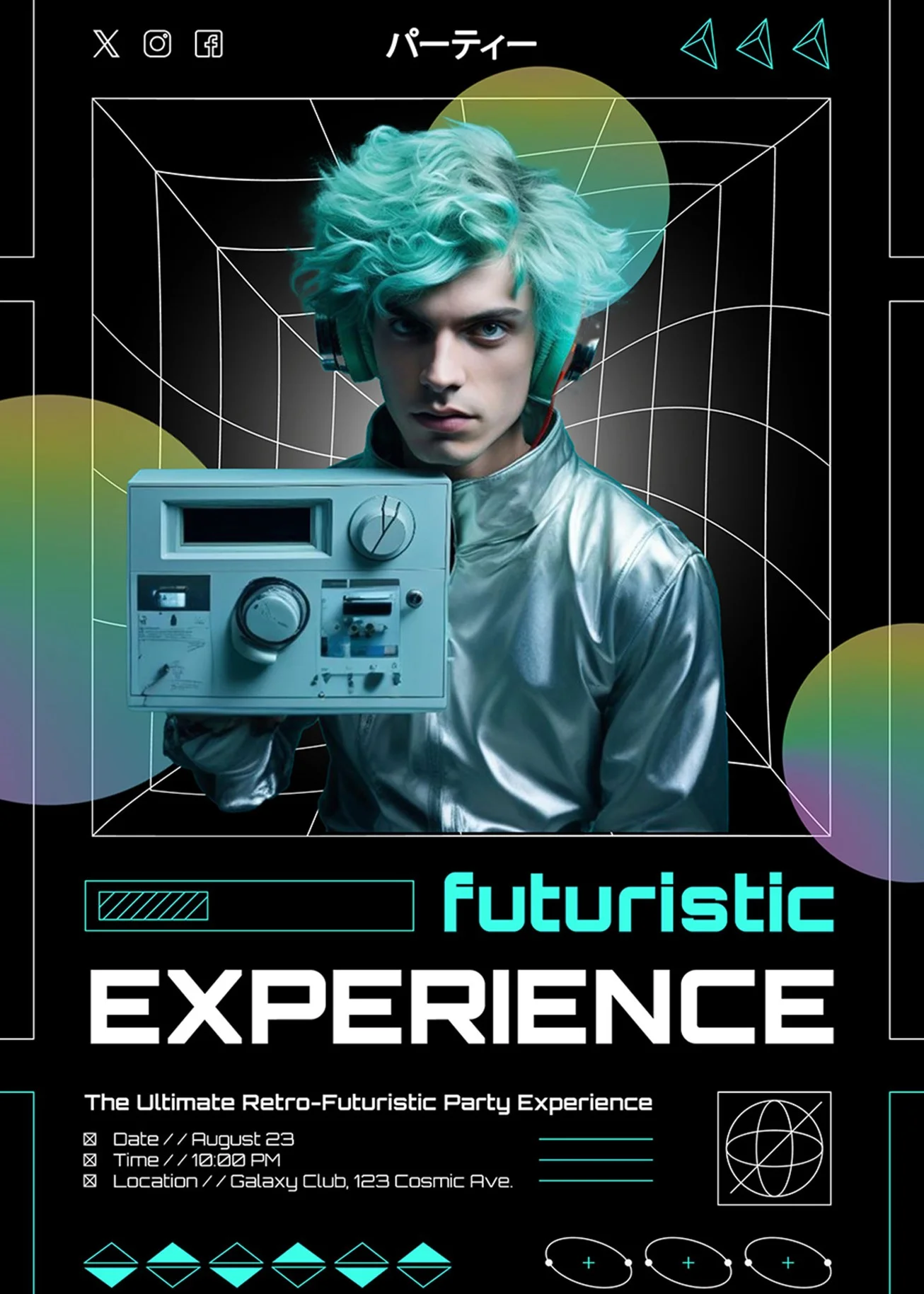
Finally , because we live in an era where memory is as valuable as disruption. While many brands rush to appear cutting-edge at any cost, those that understand the power of retrofuturism build innovations that draw on the cultural and emotional heritage of their audience . And this, besides being profoundly strategic, is simply addictive to follow—both for the consumer and for the market.
How to apply retrofuturism intelligently
1. Know your audience's emotional codes
Millennials connect with cassette tapes, VHS tapes, and the early days of the internet. Generation Z values pixelated aesthetics and retro elements from the 2000s. Find out which memory to activate for each group.
2. Choose a decade and be consistent
Each era communicates different values. The 70s evoke freedom; the 80s , innovation and pop rebellion; the 90s , irony and minimalism. Stay true to your brand's essence, even when experimenting.
3. Create contrast between past and future
The fascination lies in the contrast. Retro typography with modern interfaces, nostalgic packaging with augmented reality. This combination generates curiosity and a competitive edge.
4. Match form to function
Aesthetics must serve the experience. A beautiful visual is useless if navigation is clunky. Therefore, emotional design needs to be functional.
5. Tell stories, don't just show pictures
Emotional retrofuturism is a narrative bridge. Use sounds from childhood, familiar textures, phrases that evoke memories . After all, stories build lasting meaning.
Conclusion: memory that projects the future
Therefore, brands are remembered not only for what they offer, but for how they make their audiences feel . Emotional retrofuturism offers companies a way to become more human, desirable, and memorable.
If you're a strategist, designer, or marketing leader , start asking yourself: how can my brand reclaim its past to build a future with more connection and identity?
FAQ – Emotional Retrofuturism and Branding
Can every brand use retrofuturism?
So, purely rational or corporate brands may find it difficult. It is essential to have symbolic affinity with the affective narrative.
Can only social networks use this language?
No. Ideally, the emotional retrofuturist strategy should be present in packaging, campaigns, environments, product and service.
Is it a fad?
No. Aesthetics may evolve, but valuing memory as an emotional strategy is here to stay.
How to avoid clichés?
The key is authenticity. Avoid copying ready-made aesthetics. Instead, rescue real and relevant memories from your audience.
Is there a relationship with ESG?
Yes. Retrofuturistic brands tend to value timeless design, the reuse of aesthetics, local culture and environmental responsibility, strengthening sustainable practices.