

The year 2025 promises to be a significant milestone for companies seeking to rapidly scale their businesses through innovative growth hacking techniques . With the evolution of marketing strategies , companies can now reach niche audiences with precision, using data to personalize their approaches.
Data analysis has become fundamental for identifying specific market segments and creating customized strategies . Companies that master these techniques achieve exponential success , optimizing investments and maximizing returns.
Main points
- Using data for precise targeting
- Customized strategies for specific niches
- Integration of traditional media with digital strategies
- Innovative tools to maximize ROI
- Exponential success through growth hacking techniques
The growth hacking landscape in 2025
In 2025, growth hacking faces new challenges and opportunities, driven by the evolution of digital marketing. Marketing strategies are becoming increasingly sophisticated, requiring a deep understanding of the target audience and the digital landscape.

Evolution of digital marketing until 2025
The evolution of digital marketing up to 2025 has been marked by the integration of advanced technologies and the growing importance of personalization at scale. Companies are using tools like Google Analytics to measure the success of their campaigns and better understand user behavior.
Email segmentation and keyword optimization are common practices for improving conversion rates and search engine visibility. Furthermore, the need for effective and personalized communication is driving the adoption of more advanced marketing strategies .
Main challenges for scaling businesses in today's digital environment
The main challenges to scaling businesses in today's digital environment include the increasing fragmentation of target audience attention and the difficulty in maintaining relevance in a landscape saturated with advertising messages. Companies face significant obstacles in accurately measuring the results of their campaigns across multiple channels.
- The need for personalization at scale presents a challenging paradox.
- The exponential increase in customer acquisition costs on digital platforms has forced companies to look for more efficient alternatives.
- the implementation of tools advanced analytics and automation has become a basic necessity for companies that want to scale their strategies marketing in a sustainable way.
To overcome these challenges, companies need to adopt a more integrated and data-driven form of marketing, making the most of the opportunities offered by digital marketing in 2025.
Growth Hacking Fundamentals for 2025
The year 2025 marks an inflection point for growth hacking, with companies adopting increasingly sophisticated strategies to drive growth. In this context, understanding the fundamentals of growth hacking is crucial for any business looking to scale quickly.
Updated definition and principles
Growth hacking is a marketing approach that focuses on innovative and experimental strategies to achieve rapid business growth. In 2025, this approach continues to evolve, incorporating new technologies and methodologies to improve the efficiency of digital marketing campaigns.
Audience segmentation is essential for niche digital marketing . It allows companies to create personalized campaigns , helping them achieve their desired goals. To do this, it is necessary to identify the demographic, psychographic, and online behavioral characteristics of users.
| Features | Description | Importance |
|---|---|---|
| Demographics | Age, gender, location | High |
| Psychographics | Interests, values, lifestyle | Media |
| Online behavior | Browsing habits, online shopping | High |
Differences between growth hacking and traditional marketing
The differences between growth hacking and traditional marketing became significantly more pronounced by 2025. Growth hacking focuses on rapid experimentation and scalability , while traditional marketing maintains a more structured and long-term approach.
- Traditional marketing operates with campaigns planned months in advance, while growth hacking implements real-time testing and optimization cycles.
- Data analysis in growth hacking is microscopic and continuous, allowing for immediate adjustments to strategies.
- Target audiences in traditional marketing are defined by broad demographic characteristics, while growth hacking works with highly specific behavioral micro-segments.
A clear example of this difference is in communication : while traditional marketing seeks to build consistent brand narratives, growth hacking prioritizes messages that generate immediate conversions , testing multiple variations simultaneously.
TV and radio targeting for niche audiences
TV and radio remain important channels for market segmentation, even in a digital age. With the ability to reach specific audiences, these traditional media offer unique opportunities for companies looking to connect with niche consumers.

Why TV and Radio Remain Relevant in 2025
Despite the growth of digital platforms, TV and radio remain relevant due to their ability to reach large audiences simultaneously. In addition, these media offer a more traditional and reliable consumption experience for many consumers.
TV, for example, is still one of the main sources of entertainment and information for many families. Radio continues to be a constant companion for many during their daily commutes.
Specific targeting techniques for traditional media
Targeting on TV and radio can be done in a variety of ways, including choosing specific programs that appeal to the desired audience. For example, a company that sells products for diabetics might advertise during health or cooking programs that are popular with that audience.
Additionally, targeting can be done based on broadcast times, reaching different demographic segments at different times of the day.
Success stories of segmentation in specific niches
Several success stories demonstrate the effectiveness of targeting specific niches through TV and radio. For example, a brand of products for diabetics increased its sales by 300% by directing ads to programs with high audiences for this audience.
Another notable example was a gardening equipment brand that identified morning radio shows with a high concentration of gardening enthusiasts and created personalized content that generated exceptional engagement.
These cases show how precise segmentation can deliver superior results, especially for products and services that meet very specific consumer needs.
Identification and analysis of niche audiences
Analyzing niche audiences is an essential step in developing targeted and effective digital marketing strategies . Understanding who the specific consumers are that engage with your brand allows companies to create more personalized campaigns and increase their effectiveness.
Research methods to identify profitable niches
To identify profitable niches, companies can use advanced research methods. Google Analytics is a valuable tool for understanding the profile and behavior of website visitors. Additionally, conducting surveys with existing customers and analyzing market data helps identify niche opportunities.
The use of data analytics tools allows companies not only to understand current behavior, but also to anticipate future trends. This enables the development of proactive digital marketing strategies targeted at specific niches.
Data analysis tools for segmentation
Data analytics tools for segmentation have evolved significantly, incorporating artificial intelligence and machine learning. Platforms like Semrush offer powerful market and competitor analysis tools , helping companies better understand their market position.
- Integrated Customer Data Platform (CDP) platforms allow you to unify data from multiple sources.
- Using predictive analytics tools allows companies to anticipate future trends.
- Advanced data visualization solutions transform complex information into actionable insights.
By combining robust research methods with advanced data analysis tools, companies can effectively identify and analyze niche audiences, improving their targeting and digital marketing strategies.
Personalization strategies for segmented audiences
Personalizing the customer experience is essential to creating a lasting connection with consumers. By personalizing and contextualizing ads, brands have the opportunity to create a more engaging and persuasive advertising experience.
Creating personalized messages for different segments
Creating personalized messages is crucial for reaching different audience segments. This involves understanding the specific needs and preferences of each group and adapting the message to resonate with them. Effective personalization can significantly increase engagement and conversion.
- Identify the demographic and psychographic characteristics of the target audience.
- Develop messages that are relevant and attractive to each segment.
- Use data and analytics to refine and optimize messaging over time.
Adapting content for different media channels
Adapting content for different media channels is crucial to maximizing the impact of marketing campaigns. Each channel has its own "grammar" and requires a specific approach. Effective adaptation goes beyond simple technical reformatting, demanding a strategic reconstruction of the message.
| Media Channel | Features | Adaptation Strategy |
|---|---|---|
| TV | Visual, emotional, massive reach | Focus on visual and emotional storytelling |
| Radio | Auditory, intimate, targeted | Use of persuasive language and intimate tone |
| Digital | Interactive, customizable, measurable | Dynamic and personalized content |
For more information on niche marketing strategies, visit our article on niche marketing strategies.
TV and radio integration with digital strategies
Effective marketing campaigns in 2025 will depend on the seamless integration of TV, radio, and digital channels. This convergence allows companies to reach consumers more effectively, maximizing results.

Creating efficient omnichannel campaigns
Creating effective omnichannel campaigns is crucial to ensuring messages reach consumers across different media channels. This involves analyzing data to better understand consumer behavior and personalize messages.
Integrating TV, radio, and digital channels allows for a more holistic approach, increasing campaign effectiveness. Data analytics tools play a key role in this process, providing valuable data on campaign performance.
Tools for tracking conversions across channels
Using tools to track conversions across channels is essential for understanding the impact of omnichannel campaigns. These tools allow companies to monitor customer response times and adjust their marketing strategies.
According to experts, machine learning-based multi-touch attribution platforms are capable of identifying complex patterns of influence between exposures across different channels. For more information on digital audio trends, visit digital audio predictions at [website address].
Media investment optimization techniques
Data analysis has become essential to optimize media investments. With the increasing complexity of communication channels, companies need effective strategies to maximize their return on investment (ROI) in marketing.
Attribution models to measure the impact of each channel
Attribution models are essential for understanding how different media channels contribute to the results of marketing campaigns. These models help identify which channels are generating the most conversions and adjust investment strategies accordingly.
Companies are using multi-touch attribution models to gain a holistic view of their campaign performance. This allows for more efficient budget allocation, maximizing ROI.
Data-driven budget allocation strategies
Data-driven budget allocation strategies are revolutionizing media planning. Instead of intuitive decisions, companies are now using algorithmic approaches to maximize ROI.
- Data-driven budget allocation strategies maximize ROI.
- Dynamic optimization models adjust investments in real time.
- Using predictive simulations allows you to test different scenarios before implementation.
- Leading companies have implemented marketing mix modeling (MMM) systems integrated with multi-touch attribution.
- The granularity of the analyses allows for more accurate allocation decisions.
By implementing these strategies, companies can significantly improve the effectiveness of their marketing campaigns and achieve better results.
Automation and artificial intelligence in growth hacking
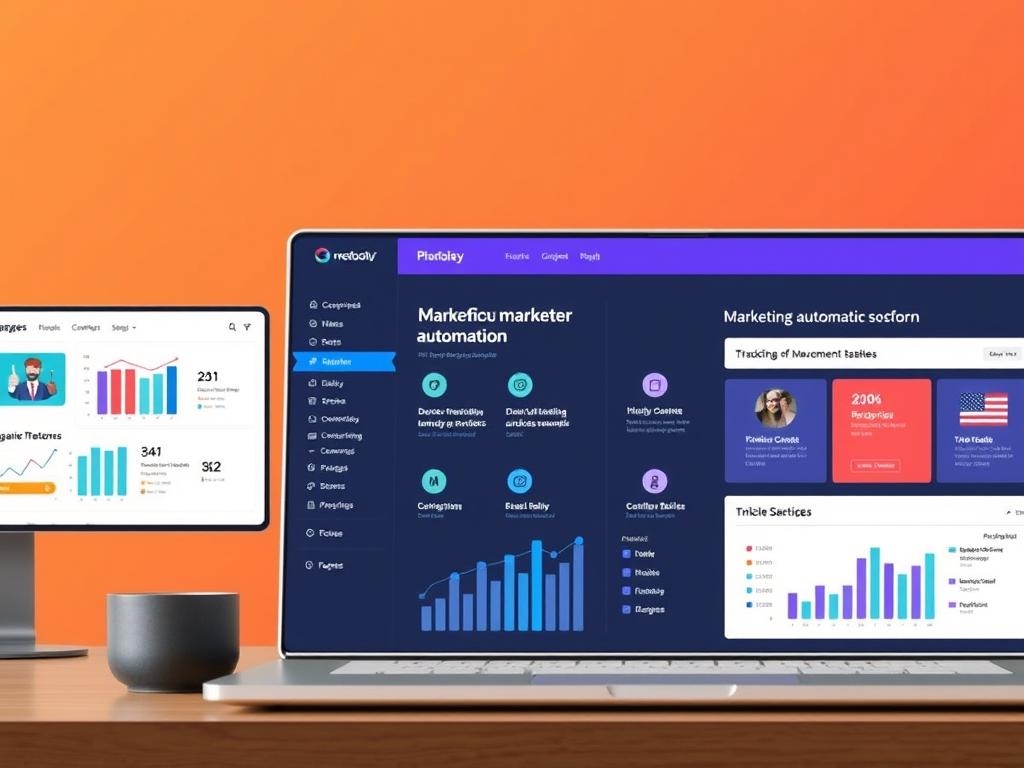
Growth hacking in 2025 relies heavily on automation and artificial intelligence to scale businesses quickly. These technologies allow companies to optimize their digital marketing strategies efficiently and accurately.
AI Tools for Advanced Segmentation
Intelligent targeting is crucial to the success of marketing campaigns. AI tools enable advanced targeting, identifying niche audiences with great precision and optimizing media investment.
Furthermore, smart segmentation allows you to optimize media investment, directing resources to audiences that have the greatest conversion potential.
Multiplatform campaign automation
Cross-platform campaign automation has evolved significantly, enabling the orchestration of personalized experiences in real time across TV, radio and digital channels. Advanced automation platforms can make dynamic adjustments to content distribution and ad formats based on real-time performance.
- Cross-platform campaign automation allows you to create highly personalized customer journeys.
- Programmatic content creation makes it possible to generate personalized ad variations at scale.
- Integration between automation platforms and CRM systems enables a customer-centric approach.
By integrating automation and artificial intelligence, businesses can maximize their return on digital marketing investment, ensuring that marketing strategies are efficient and effective.
Measurement and analysis of results in segmented campaigns
Analyzing data from targeted campaigns allows companies to make informed decisions and optimize their strategies. Beyond measuring basic metrics like views and reach, data analysis enables a deeper understanding of audience behavior.
By tracking and analyzing demographic, geographic, and behavioral data , media outlets can identify consumption patterns and preferences of viewers and listeners. This allows for more precise segmentation and the creation of targeted ads that are more relevant and engaging to the target audience.
Essential KPIs for evaluating campaign success
To evaluate the success of targeted campaigns, it is crucial to monitor specific KPIs (Key Performance Indicators). As highlighted in specialized articles , metrics such as click-through rate (CTR), conversion rate, and cost per acquisition (CPA) are fundamental. These indicators provide valuable insights into the effectiveness of the marketing strategies adopted.
Analysis tools for continuous optimization
Analytics tools for continuous optimization have evolved significantly, offering integrated platforms that process real-time data from multiple sources. This provides a unified dashboard for agile decision-making. Furthermore, predictive analytics systems identify emerging trends in consumer behavior before they become evident in traditional indicators, allowing for proactive adjustments to campaign strategies.
As mentioned, the "journey analysis" approach maps the complete customer experience across all touchpoints, identifying opportunities for holistic experience optimization. To learn more about market segmentation, visit this article.
Content strategies for specific niches
In an increasingly segmented market, niche content strategies stand out as an effective approach to reaching target audiences with precision. Brands that adopt this strategy are able to connect more meaningfully with their consumers, increasing engagement and conversion.
Developing relevant content
Developing content that is relevant to each segment is crucial to the success of niche marketing strategies. This involves deeply understanding the needs, preferences and behaviors of consumers within each niche. By creating content that resonates with these aspects, brands can establish an emotional connection with their audience, increasing the effectiveness of their campaigns.
Personalizing content also plays a key role. By adapting the message and format of ads according to the target audience and the context of the program or content, media outlets can increase emotional connection and viewer engagement.
Effective content formats for TV and radio
The most effective content formats for TV and radio in 2025 have evolved beyond traditional advertising spots, incorporating immersive experiences that combine entertainment and marketing . Branded content organically integrated into programming is a dominant example, significantly increasing engagement and reducing the typical rejection associated with traditional advertising formats.
| Content Format | Description | Social Impact |
|---|---|---|
| Branded Content | Content integrated into the programming | Increases engagement |
| Micro-contents | 5-10 second bursts | Greater cumulative impact |
| Bidirectional Communication | Interactions via voice commands or applications | Participatory experiences |
A revolutionary example is the "adaptive content" format, where elements of the advertisement are modified in real time based on contextual data, creating a personalized experience even in media traditionally considered mass-market.
Case studies: companies that revolutionized their markets with growth hacking
Growth hacking has been an effective strategy for companies looking to revolutionize their markets. By applying innovative and personalized techniques, these companies have managed to not only increase their market presence but also create a strong connection with their target audience.
Examples of success in Brazil
In Brazil, several companies have stood out by using growth hacking strategies. One notable example is Reserva, which revolutionized the men's fashion market with authentic communication aimed at specific niches. This demonstrates how authenticity and consistency in communication with well-defined segments can generate extraordinary loyalty.
Other Brazilian companies have also been successful in implementing growth hacking strategies, such as hyper-segmentation of target audiences and seamless integration between traditional and digital channels.
Lessons learned and replicable strategies
The lessons learned from these success stories reveal several replicable strategies. Hyper-targeting audiences, combined with highly personalized messaging, consistently outperforms generic approaches in terms of return on investment.
- Seamless integration between traditional and digital channels emerges as a fundamental strategy.
- The “test, learn, and scale” approach allows companies to implement rapid experimentation cycles before investing heavily.
- Obsessive focus on business metrics ensures growth is sustainable and profitable.
These strategies demonstrate how growth hacking can be applied effectively to drive business growth and improve market presence.
Overcoming challenges in implementing growth hacking strategies
The key to success in growth hacking lies in understanding and overcoming the challenges that arise during implementation. Growth hacking strategies are complex and multifaceted, requiring a thoughtful and informed approach.
Common obstacles and how to get around them
One of the main obstacles is the lack of a well-defined marketing strategy . To avoid this mistake, it's important to have a well-thought-out digital marketing strategy , using analytics tools to measure the success of the niche. Furthermore, taking good care of leads and configuring URLs correctly prevents missed opportunities.
Managing multidisciplinary teams for growth hacking requires a radically different approach from traditional marketing management , with agile structures that prioritize speed of execution and continuous learning.
- Pioneering companies implemented the “T-shaped marketers” model, professionals with broad knowledge in multiple disciplines of digital marketing industry and deep specialization in a specific area.
- The “growth pods” structure is another successful example, with small autonomous teams comprised of data, creative, technology and business experts.
Management of multidisciplinary teams for growth hacking
Integrating traditional media professionals (TV and radio) with digital experts has proven particularly challenging. However, it can be facilitated through cross-immersion workshops and collaborative projects that break down knowledge silos.
| Strategy | Description | Benefit |
|---|---|---|
| T-shaped marketers | Professionals with broad knowledge in multiple digital marketing disciplines and deep specialization in a specific area. | Facilitates communication and collaboration between experts. |
| Growth pods | Small autonomous teams comprised of data, creative, technology and business experts. | Focused on specific growth objectives with the authority to make decisions in real time. |
With these strategies, companies can succeed in the digital niche market and avoid common mistakes. Effective communication and collaboration between teams are fundamental to success.
Future trends beyond 2025
The future of digital marketing promises to be shaped by emerging technologies and changes in consumer behavior . As we move beyond 2025, understanding these trends is crucial to maintaining competitiveness in the market.
Emerging technologies that will impact segmentation
Technologies such as artificial intelligence and augmented reality are revolutionizing the way brands interact with their audience . These innovations allow for more personalized and effective communication , improving the consumer experience . For more information on how these technologies are being used, visit our article on key trends in media and advertising data .
Changes in consumer behavior and their implications
Changes in consumer behavior point to a growing "advertising fatigue," with consumers developing mental filtering mechanisms to ignore generic ads . This leads them to value only highly relevant and contextual communications . Furthermore, the search for authenticity and purpose will solidify as a fundamental value, with consumers favoring brands that demonstrate a genuine commitment to social and environmental causes.
To stay current and competitive, it's crucial to invest in modern and personalized digital marketing strategies, considering the complete customer journey across multiple formats and channels.
Conclusion
By 2025, growth hacking will solidify as an essential strategy for business success, with precise niche segmentation emerging as a crucial competitive differentiator. The ability to identify and deeply understand the target audience is fundamental to developing personalized messages that resonate with their specific needs.
The strategic integration of traditional channels, such as TV and radio, with digital platforms has demonstrated superior results compared to approaches that exclusively prioritize the digital environment. A notable example is the case presented at https://www.negociossc.com.br/case/radio-aumenta-alcance-da-comunicacao-de-nicho/ , which illustrates how segmented communication can increase the reach of niche communication.
Companies that have achieved success share common characteristics, such as agile organizational structures and a culture of continuous experimentation. Furthermore, targeted communication aimed at specific niches will continue to gain relevance as consumers become more demanding and selective.
In short, marketing in 2025 is not about choosing between traditional or digital approaches, but about intelligently strategizing across all available channels. Brands that demonstrate a genuine understanding of individual consumer needs and specific contexts will be rewarded.
By adopting growth hacking strategies and focusing on specific niches , companies can improve their marketing campaigns and achieve their desired success.
FAQ
How important is market segmentation for companies?
Market segmentation is crucial for companies to identify and meet the specific needs of different consumer groups, increasing the effectiveness of their marketing strategies and improving resource allocation.
How can segmentation be applied to TV and radio?
In TV and radio, segmentation can be applied through the analysis of demographic and audience data, allowing companies to target their messages to specific audiences and increase the impact of their campaigns.
What are the main tools used for market segmentation?
Key tools include data analytics software like Google Analytics and customer relationship management (CRM) platforms that help identify and categorize different market segments.
How can automation and artificial intelligence help with growth hacking?
Automation and artificial intelligence can help optimize marketing campaigns, personalize messages for different segments, and improve efficiency in resource allocation, allowing companies to scale their businesses faster and more effectively.
What are the main challenges faced by companies when implementing growth hacking strategies?
Key challenges include the need for skilled multidisciplinary teams, managing complex data, and continually adapting to changing consumer behavior and emerging technologies.
How to measure the success of growth hacking campaigns?
The success of growth hacking campaigns can be measured through KPIs such as conversion rate, cost per customer acquisition (CAC) and return on investment (ROI), which help to evaluate the effectiveness of the strategies implemented.