

Gamification emerges as an innovative strategy that incorporates game elements into non-gaming contexts, transforming everyday interactions into engaging and dynamic experiences. This approach aims to strengthen customer engagement and create a deeper emotional connection with brands.
According to a report by Allied Market Research, the global gamification market is growing rapidly and is expected to reach US$58,8 billion by 2028. Leading companies such as Starbucks, Nike, and Duolingo are already demonstrating concrete results with the application of gamification in their marketing strategies , highlighting the potential of this approach to transform consumer behavior and build customer loyalty.
Implementing game mechanics in relationship strategies provides a significant competitive advantage, increasing interaction time and strengthening the customer experience . To learn more about how gamification can be applied to e-commerce, visit our article on gamification in e-commerce.
Main points
- Gamification represents a strategic approach that incorporates game elements into non-play contexts.
- The global gamification market is growing rapidly, with projections to reach $58,8 billion by 2028.
- Leading companies are already demonstrating concrete results by applying gamification to their marketing strategies.
- The implementation of game mechanics provides a significant competitive advantage.
- Gamification increases interaction time and strengthens the consumer experience.
What is Gamification and How Does It Work in Marketing?
Gamification emerges as an innovative strategy in marketing , transforming everyday experiences into dynamic interactions. In marketing, gamification transforms daily actions into attractive and interactive interactions.
For example, instead of simply asking a customer to fill out a form, you can include incentives, such as a “prize” at the end of the task, or create a game that unlocks a special discount. These dynamics encourage active participation, spark curiosity, and make the experience more enjoyable.
- Gamification is a strategic methodology that transposes elements fundamentals of games for business contexts.
- Within the marketing strategic, this approach transforms transactional interactions into immersive experiences.
- The technical implementation of gamification establishes immediate feedback loops.
- Consumer behavior analysis shows that gamified elements increase engajamento.
To learn more about how gamification can be applied to marketing, visit this article that explores gamification strategies in detail. Gamification represents an effective strategic approach to creating more interactive marketing strategies .
How to Use Gamification to Increase Customer Engagement
The strategic use of gamification can significantly increase consumer engagement, fostering a lasting emotional connection with the brand. By integrating game elements into their marketing strategies, companies can create interactive experiences that not only capture the audience's attention but also encourage active participation.
Emotional Connection with the Customer
Gamification creates an emotional bond with the brand, activating feelings of accomplishment and pleasure. This results in a deep emotional connection with consumers, increasing loyalty and retention.
Increased Engagement and Retention
According to Gartner, brands that implement gamification elements into their campaigns can see up to a 60% increase in engagement. Additionally, customer retention has been documented to increase by up to 30% with programs that incorporate gamification elements.
Personalized and Memorable Experiences
Personalizing gamified experiences allows you to create customized journeys that respond to individual consumer preferences. This significantly increases conversion rates and creates memorable experiences.
Collecting Valuable Data and Insights
As consumers interact with gamified elements, companies can gather valuable information about their behavior, preferences, and motivations. This data is essential for refining marketing strategies and developing actionable insights.
To learn more about optimizing ad engagement, visit https://doisz.com/blog/tempo-de-atencao-em-anuncios/.
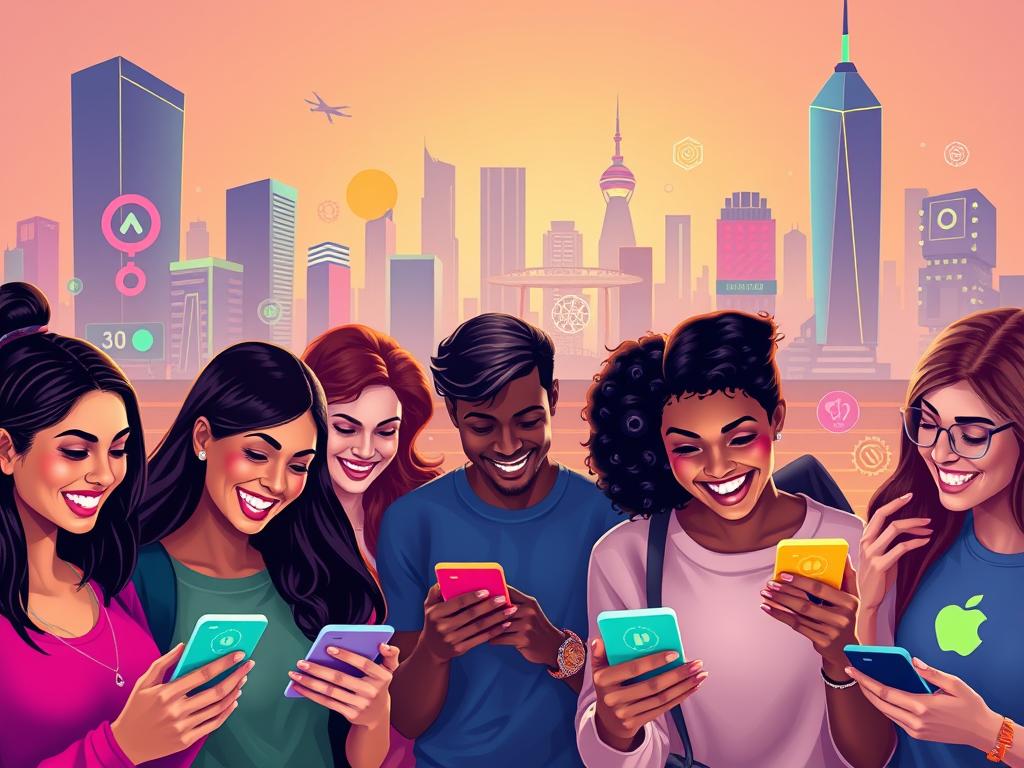
- Strategic implementation of gamification establishes deep emotional connections with consumers.
- Market data shows an average 60% increase in engagement rates with gamification.
- Personalizing gamified experiences significantly increases conversion rates.
Main Elements of Gamification
To implement gamification effectively, it’s crucial to understand its key elements. Effective gamification relies on a combination of elements that work together to create an engaging and interactive experience.
Key elements include scoring and rewards systems, challenges and missions, rankings and competition, and immediate feedback and progression. These components are key to capturing users’ attention and maintaining their engagement.
Scoring and Rewards Systems
Point and reward systems are crucial for motivating users, offering clear metrics of progress and positive reinforcement. Rewards such as points, discounts, or physical prizes are essential for stimulating desired behaviors.
Challenges and Missions
Structured challenges and missions provide clear and achievable objectives, breaking down complex goals into manageable steps. This maintains continuous engagement and effectively guides the user journey.
Rankings and Competition
Rankings and competitive elements activate powerful social motivators, boosting individual performance and encouraging repeat participation. Healthy competition among users increases engagement.
Immediate Feedback and Progression
Immediate feedback is crucial for providing instant responses to user actions, optimizing the experience and reducing friction points. A well-structured progression keeps engagement rates high for extended periods.
| Element | Description | Benefit |
|---|---|---|
| Scoring and Rewards Systems | Provides clear progress metrics and positive reinforcement | Encourages desired behaviors |
| Challenges and Missions | Provides clear and achievable goals | Maintains continuous engagement |
| Rankings and Competition | Activates powerful social motivators | Increases individual performance |
| Immediate Feedback and Progression | Provides instant responses to user actions | Optimize user experience |
To learn more about how gamification can be applied to services, visit our article on Gamification in Services.
The 8 Pillars of Gamification According to the Octalysis Framework
Effective gamification depends on a robust framework that considers fundamental human motivators. The 8 pillars of gamification, as defined by the Octalysis Framework , are essential for creating engaging experiences.
Meaning and Purpose
The first pillar, Meaning and Purpose , refers to the user's belief that they are doing something bigger than themselves, activating powerful intrinsic motivators.
Development and Realization
The Development and Achievement pillar implements progression systems that satisfy psychological needs for competence and mastery.
Empowerment and Feedback
Empowerment and feedback increase interaction time with platforms, offering autonomy and control over the experience.
Property and Possession
The Ownership and Possession dimension activates psychological triggers associated with the endowment effect, where users value more what they have invested in.
Social Influence
Social influence incorporates dynamics of comparison, cooperation, and competition that amplify the impact of gamification strategies.
Scarcity and Impatience
The elements of Scarcity and Impatience create a perception of high value and urgency to act, impacting conversion metrics.
Unpredictability and Curiosity
Unpredictability and curiosity motivate users to want to find out what will happen next, thus maintaining engagement.
Loss and Prevention
The final pillar, Loss and Prevention , refers to the fear of losing something already achieved, driving the continuation of action.
According to Yu-Kai Chou, these pillars are fundamental to an effective gamification strategy, as they address different aspects of human motivation.
When and Where to Use Gamification
Understanding when and where to apply gamification is crucial to maximizing its potential in different sectors. Gamification can be effectively applied in various areas, from e-commerce to loyalty programs and digital marketing.
In E-commerce and Retail
In the context of e-commerce , gamified strategies such as progressive cashback systems and challenges to unlock exclusive discounts demonstrate an average increase of 25% in conversion rates and 18% in average order value.
In Digital Marketing and Branding
Integrating gamification into digital marketing results in higher engagement rates and longer dwell time, positively impacting social media platform algorithms and SEO metrics. Learn more about gamification.
In Loyalty Programs
Loyalty programs structured with gamification elements, such as the Starbucks Rewards model, have retention rates 30% higher than conventional programs.
In Education and Training
Gamification in educational environments shows a 40% increase in information retention and a 25% reduction in the time needed to acquire new skills.
In Customer Service
In the customer service segment , gamification of performance metrics results in measurable improvements in customer satisfaction (CSAT) and a reduction in average problem resolution time.

How to Implement Gamification in Your Business: Step by Step
To effectively integrate gamification, it is crucial to understand your target audience and define clear goals. Implementing gamification begins with an in-depth analysis of the audience, using research methodologies to identify behavioral profiles and intrinsic motivators.
Know Your Target Audience
Defining the target segment is fundamental. This helps in all subsequent processes, from choosing gamification mechanics to defining success metrics. Consulting the audience to understand their needs and ideas is essential to finding the best solutions.
Set Clear Goals and Metrics
Set clear goals, as they guide which tasks and behaviors should be followed and rewarded. Define metrics to track results and verify the effectiveness of gamification.
Choose the Right Platform and Technology
The selection of technological infrastructure should consider aspects such as scalability and integration with existing systems. Choosing the right platform is crucial for the success of gamification.
Test, Monitor and Optimize
Implementation should follow an agile methodology, with incremental releases that allow for hypothesis validation and continuous optimization. Monitor engagement metrics and adjust elements such as challenge difficulty and reward structure as needed.

Creative Gamification Strategies to Inspire You
Creative gamification strategies can transform the customer experience and significantly increase engagement. By intelligently implementing game elements, companies can create more dynamic and memorable interactions.
Points and Rewards Programs
Loyalty and rewards programs are one of the most effective forms of gamification. They encourage customers to accumulate points through purchases or interactions with the brand, which can be redeemed for rewards. Well-structured programs demonstrate superior effectiveness when they implement progressive accumulation systems and tiered rewards.
Interactive Challenges on Social Media
Interactive challenges on social media promote audience participation and increase engagement. By considering the specific algorithms of each network, companies can optimize formats and mechanics to maximize organic reach and engagement.
Progressive Missions and Levels
Mission systems and progressive levels keep customers engaged by offering continuous challenges. Calibrated difficulty curves are essential to maintain a balance between challenge and achievement, sustaining long-term engagement.
QR Codes and Physical-Digital Experiences
The integration of physical and digital experiences via QR codes represents a growing trend. Consumers who interact with gamified omnichannel elements show higher conversion rates and a greater propensity for loyalty.
Gamified Sweepstakes and Competitions
Gamified competitions and sweepstakes maximize the volume of data collected and remarketing opportunities. By implementing optimized participation mechanics, companies can transform promotional events into long-term strategic assets.
For more examples of gamification, visit this link . The strategic combination of multiple gamified elements produces significantly superior results compared to isolated initiatives, highlighting the importance of integrated approaches.
- Structured points programs increase retention.
- Interactive challenges increase engagement by 40%.
- Progressive mission systems sustain engagement.
- Omnichannel experiences increase conversion rates.
- Gamified competitions maximize data and remarketing.
Tools and Platforms to Implement Gamification
Implementing gamification effectively requires the use of appropriate tools and platforms . The current market offers a diverse ecosystem of technological solutions for gamification implementation.
Solutions for Small and Medium Businesses
For small and medium-sized businesses, platforms like Badgeville , FreshDesk Arcade , and Captain Up offer low-code implementations with fast deployment times and scalable pricing models.
Advanced Platforms for Large Enterprises
Large organizations benefit from solutions such as SAP Gamification Platform , Bunchball Nitro , and Gigya , which offer advanced integration capabilities with legacy systems and predictive behavioral analysis.
Integrations with CRM and Digital Marketing
Technical integration with CRM systems is crucial, allowing for the synchronization of behavioral data and customer profiles to create contextual and relevant gamified experiences. For more information on how gamification can be applied in businesses, visit our article on gamification applied to businesses.
Success Stories: Companies that Transformed Engagement with Gamification
Leading companies are using gamification to revolutionize the customer experience. Gamification has proven to be an effective strategy for increasing customer engagement and loyalty across a variety of industries.
Starbucks Rewards: Loyalty through Stars
The Starbucks Rewards program is a successful example of gamification in retail. Customers earn stars for purchases, which can be redeemed for free drinks or food, resulting in an 80% increase in visit frequency.
Nike+ Run Club: Turning Workouts into Challenges
Nike + Run Club has transformed physical activity into a gamified social experience, with over 50 million active users. Competition and performance tracking encourage users to improve their performance.
Duolingo: Gamified Learning
Duolingo uses levels, daily goals , and rewards to engage students in language learning. This approach has resulted in retention rates five times higher than the education industry average.
Advantages Club Partnership Network: Brazilian Example
The Rede Parcerias Loyalty Program is a Brazilian example of successful gamification. Original games and rewards increased engagement with the platform by 40%, demonstrating the effectiveness of gamification in the national context.
Common Mistakes in Gamification Implementation and How to Avoid Them
Effective gamification implementation requires a strategic approach to avoid common mistakes. By understanding and mitigating these mistakes, companies can maximize the potential of their gamification campaigns.
Misused Rewards
An excessive focus on external rewards can create dependency and reduce intrinsic engagement. Balancing extrinsic and intrinsic motivators is crucial to maintaining user interest.
Excessive Complexity
Overly complex gamification architectures often result in cognitive friction and abandonment. Simplifying the mechanics and ensuring clarity are essential for success.
Lack of Maintenance
The absence of continuous maintenance and updates can lead to a decline in engagement. It is vital to monitor data, collect feedback, and make adjustments regularly to keep the campaign effective.
By avoiding these common mistakes and adopting an informed and adaptable approach, companies can significantly improve the results of their gamification strategies and achieve greater customer loyalty.
Conclusion (100 words)
Gamification is emerging as an innovative strategy , transforming the interaction between brands and consumers . Understanding the psychological principles behind gamification is crucial, as highlighted by Gabe Zichermann, where 75% of its success stems from behavioral factors. Cases like Starbucks Rewards and Nike+ Run Club demonstrate the potential of gamification to increase customer engagement and loyalty . By integrating gamification with emerging technologies, companies can create memorable customer experiences , driving significant marketing results . This represents a clear example of how gamification can be an effective strategy.
FAQ
What is gamification and how can it help in marketing?
Gamification is a strategy that uses game elements to engage and motivate target audiences. It can help marketing by increasing brand engagement, improving loyalty, and collecting valuable data.
What are the main elements of gamification?
Key elements include scoring and rewards systems, challenges and missions, rankings and competition, and immediate feedback and progression.
How can gamification be used in loyalty programs?
Gamification can be used in loyalty programs to make the experience more interactive and rewarding, increasing customer retention and encouraging repeat purchases.
What are the common mistakes when implementing gamification?
Common mistakes include an excessive focus on external rewards, unnecessary complexity and lack of clarity, and a lack of maintenance and updates.
How to choose the right platform to implement gamification?
Choosing the right platform depends on the target audience, clear goals and metrics, and the right technology to support the gamification strategy.
What are the benefits of gamification for companies?
Benefits include increased engagement, improved loyalty, valuable data collection, and personalized, memorable experiences.
How to measure the success of a gamification strategy?
Success can be measured through clear metrics such as engagement rates, customer retention and conversion, as well as user feedback.